Custom Stickers With Your Design
Custom stickers are a simple way to put one piece of artwork on a hundred surfaces, and this shelf covers the formats that genuinely differ.
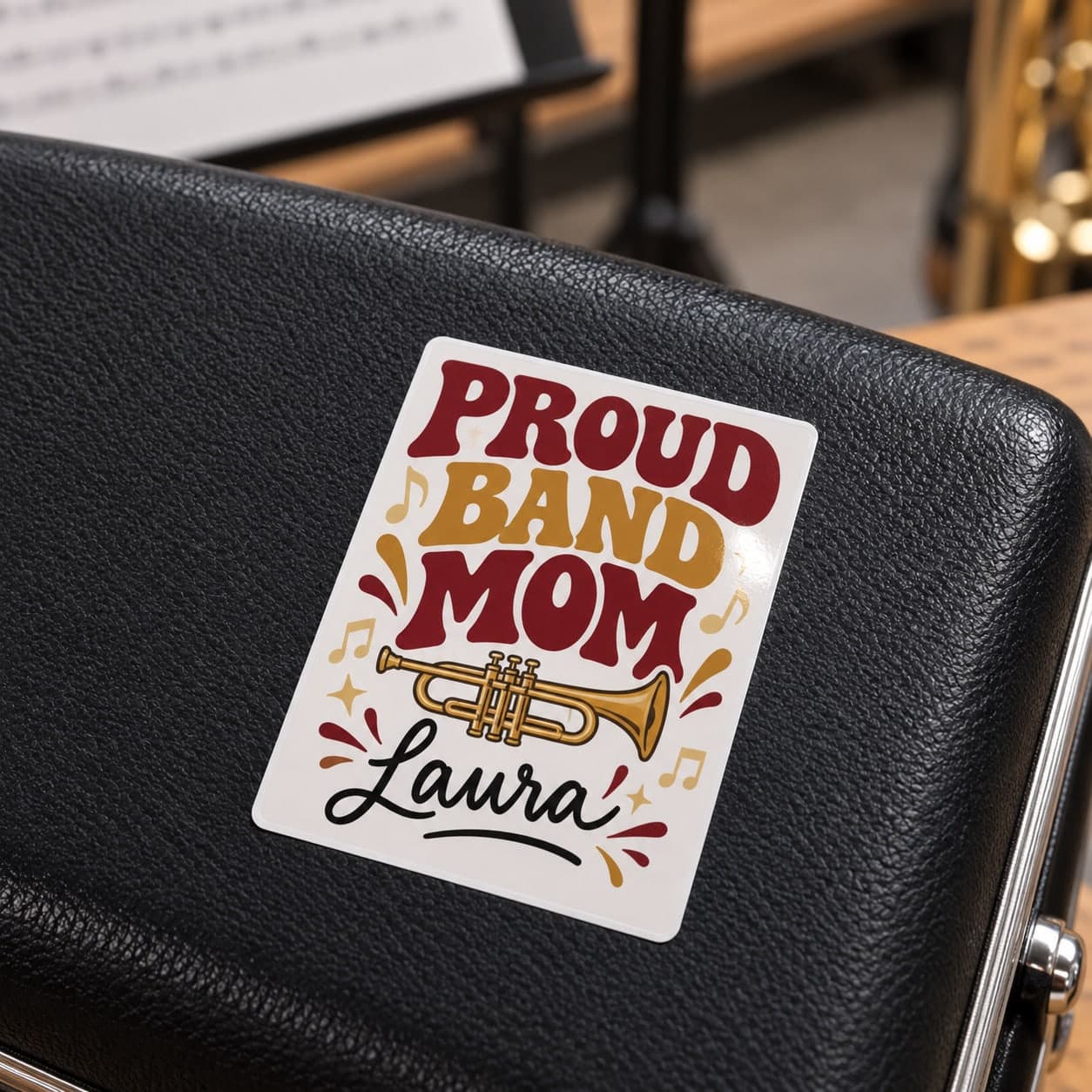
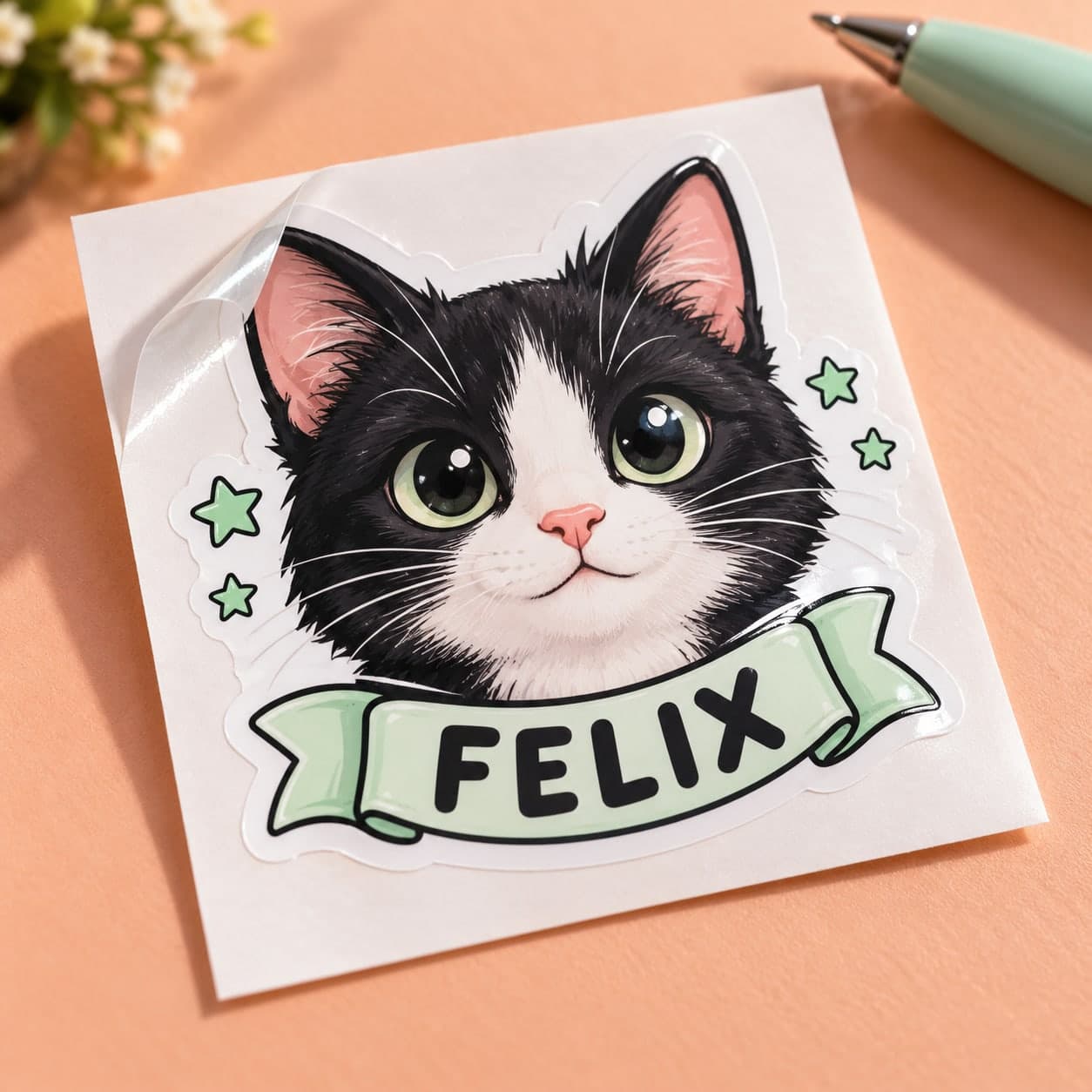
20 products
Products
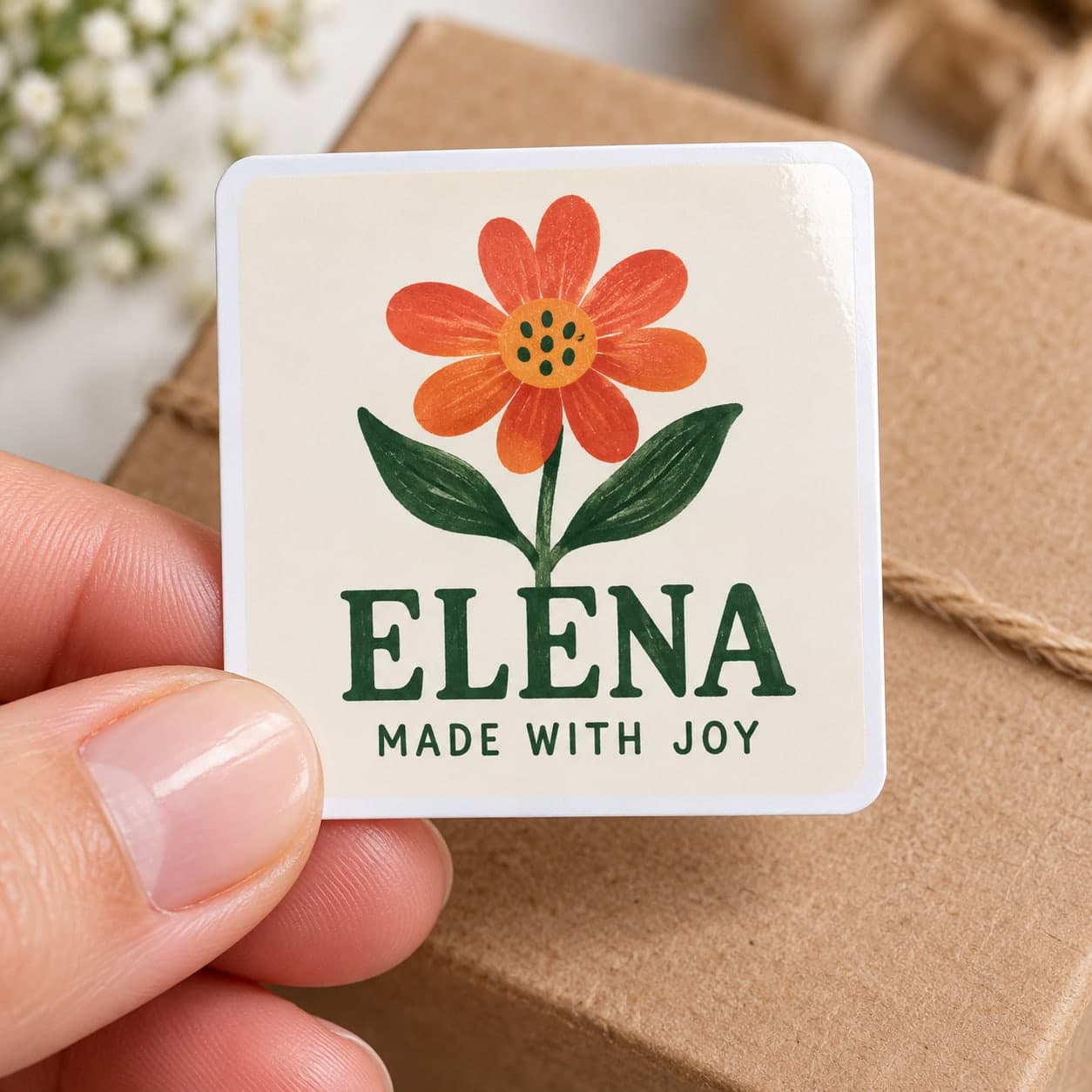
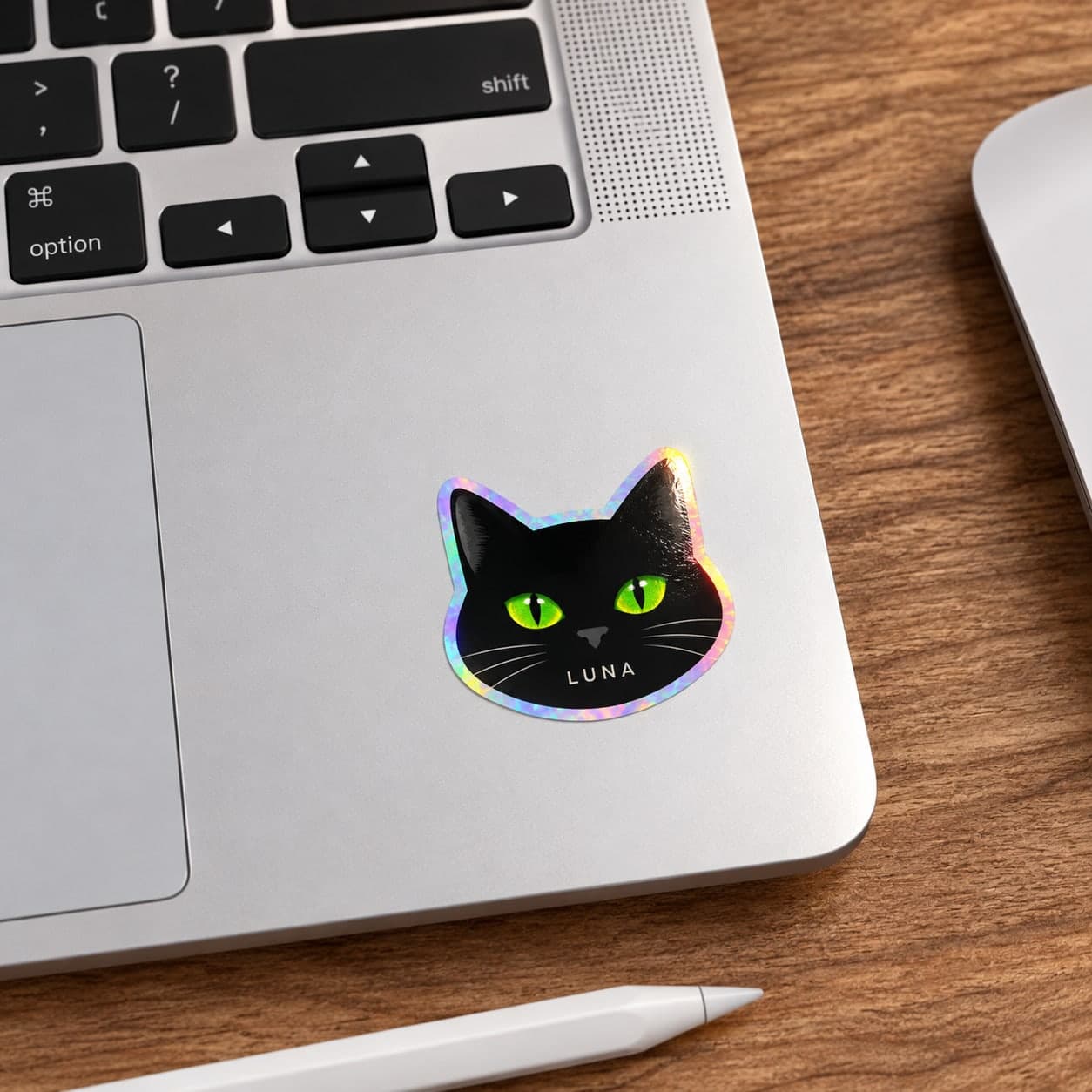
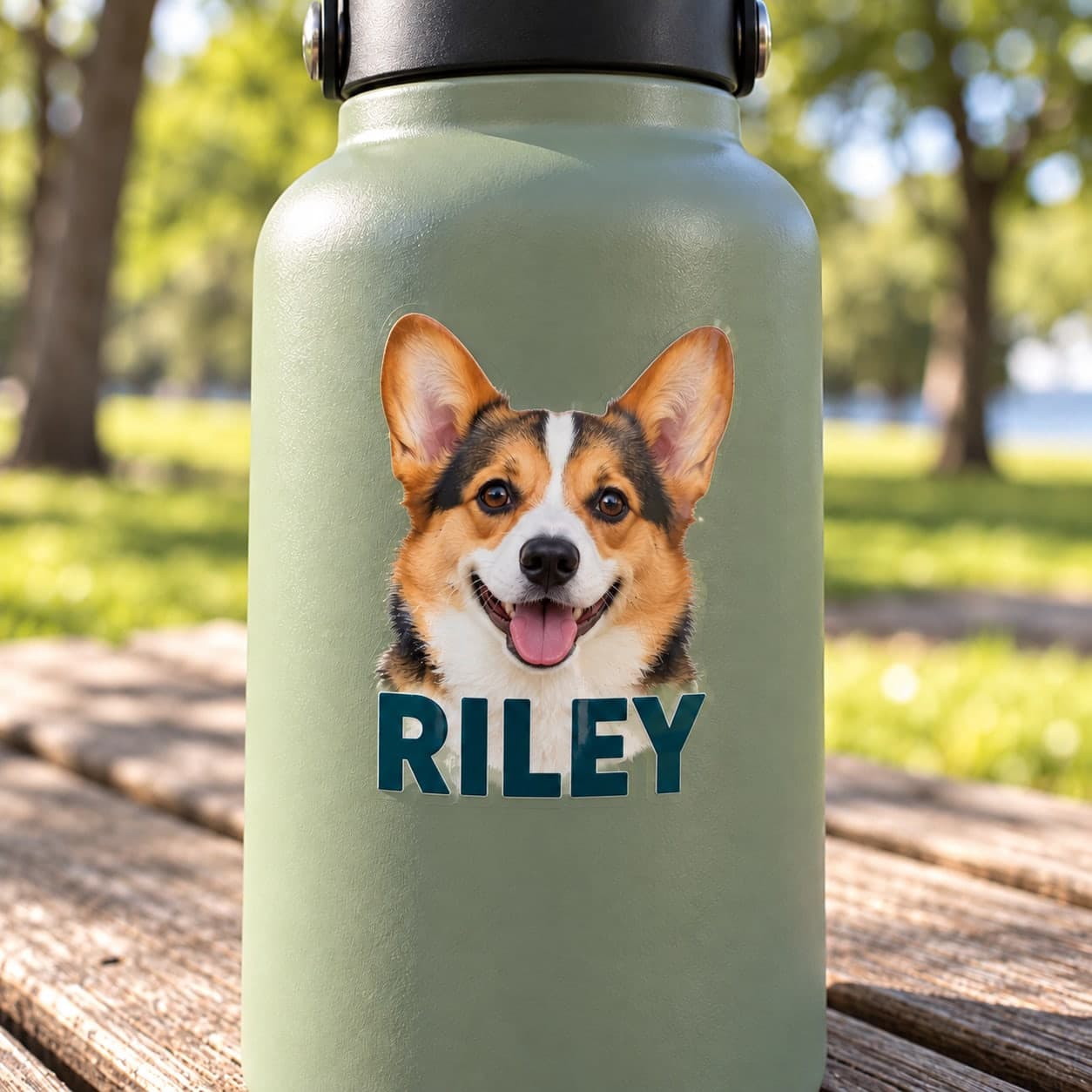
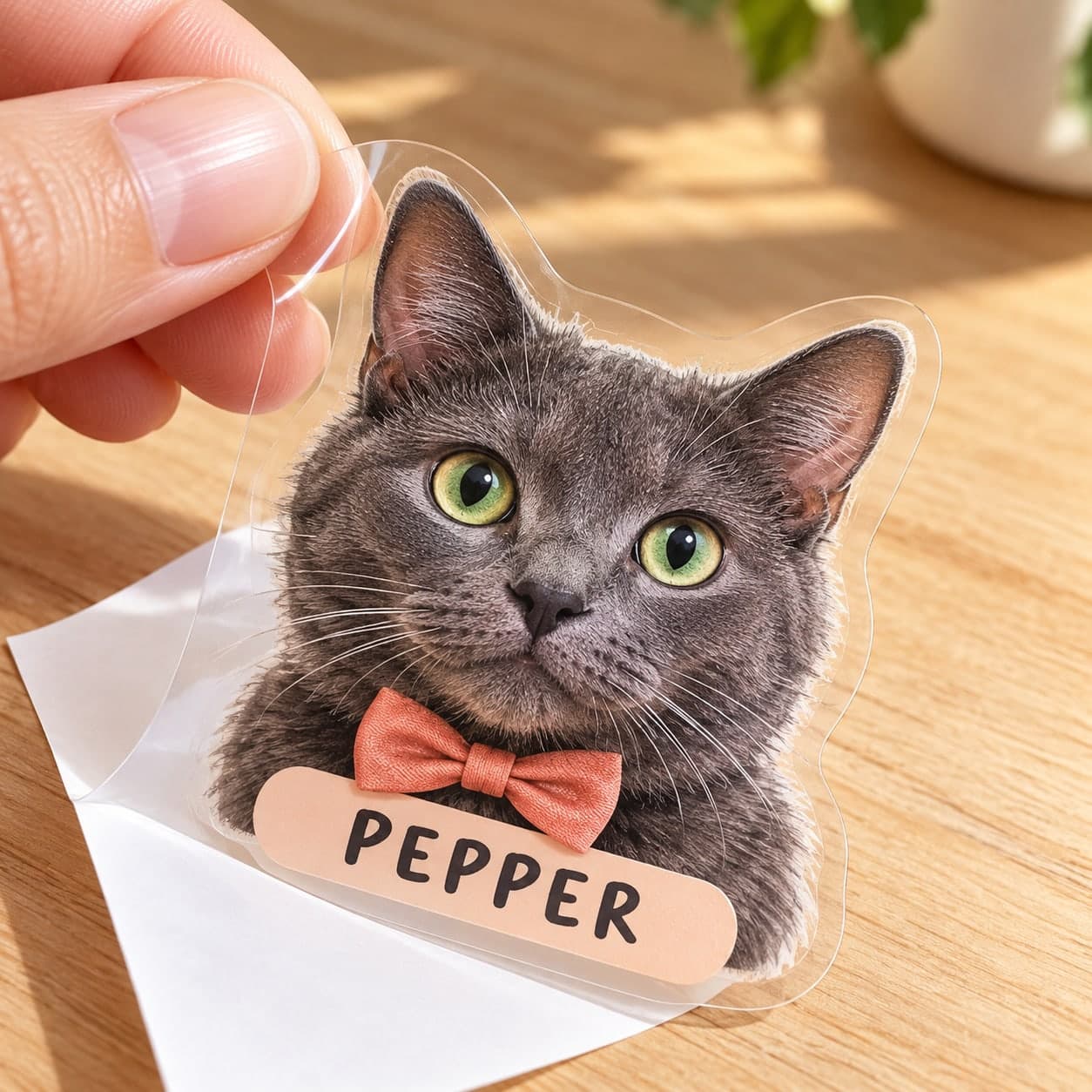
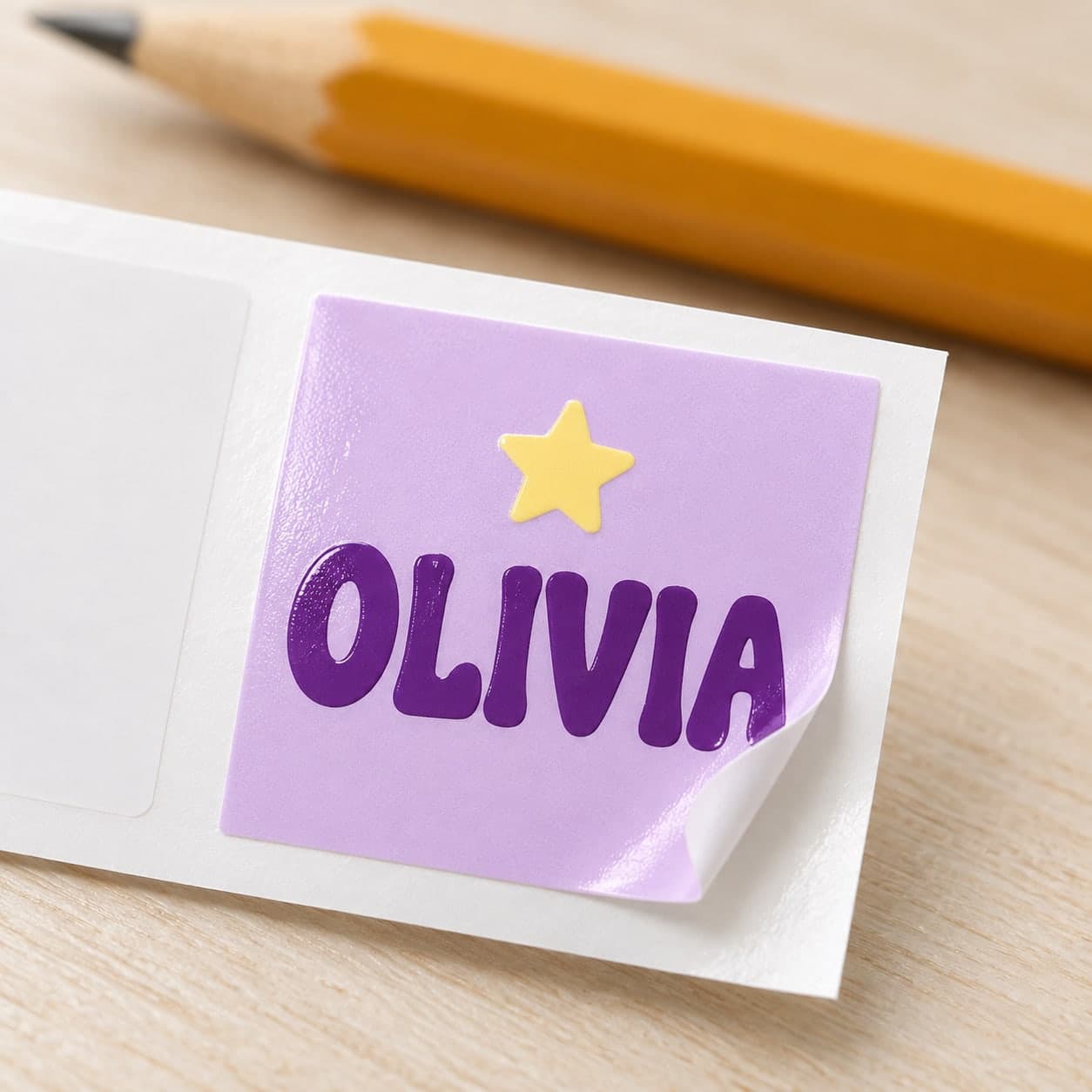
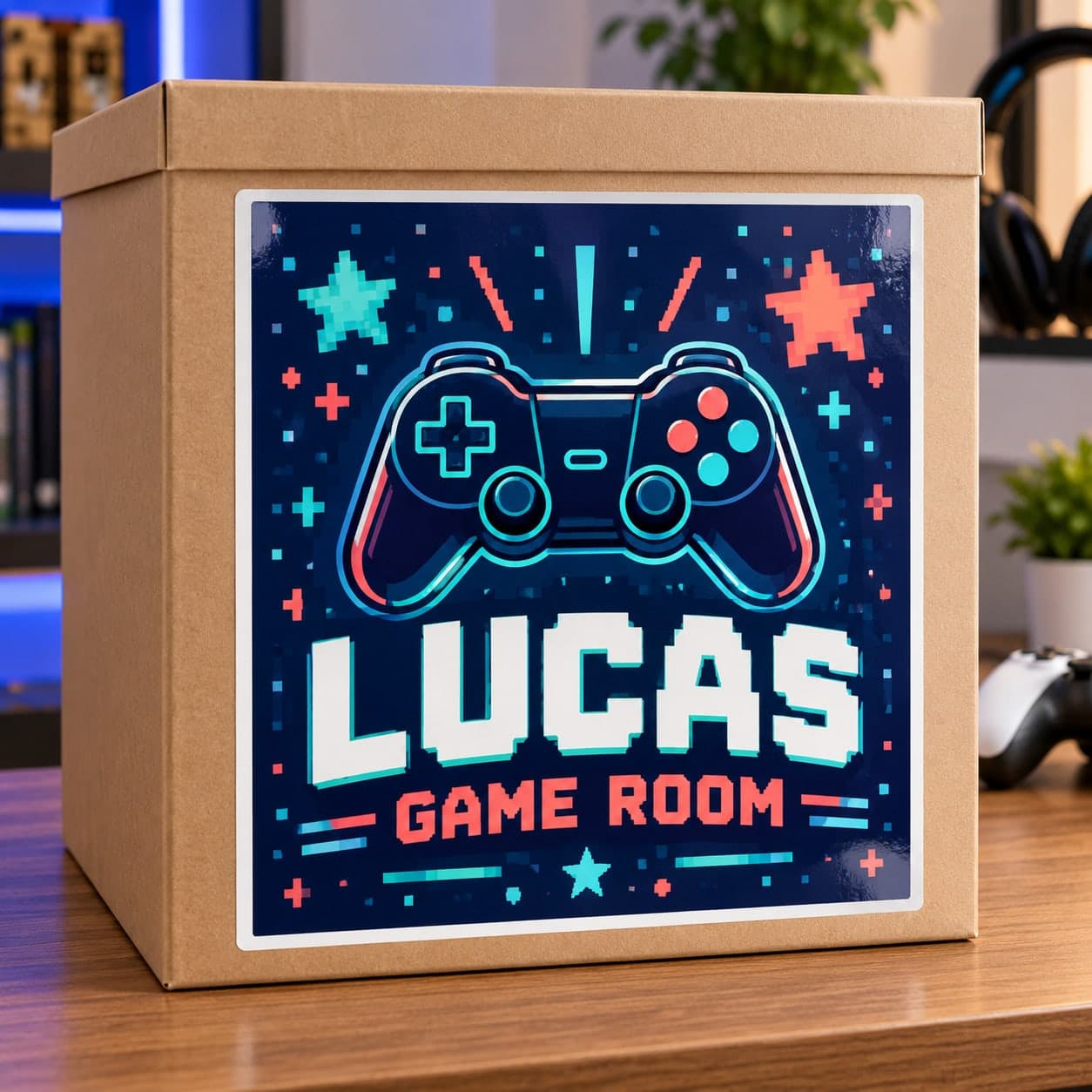
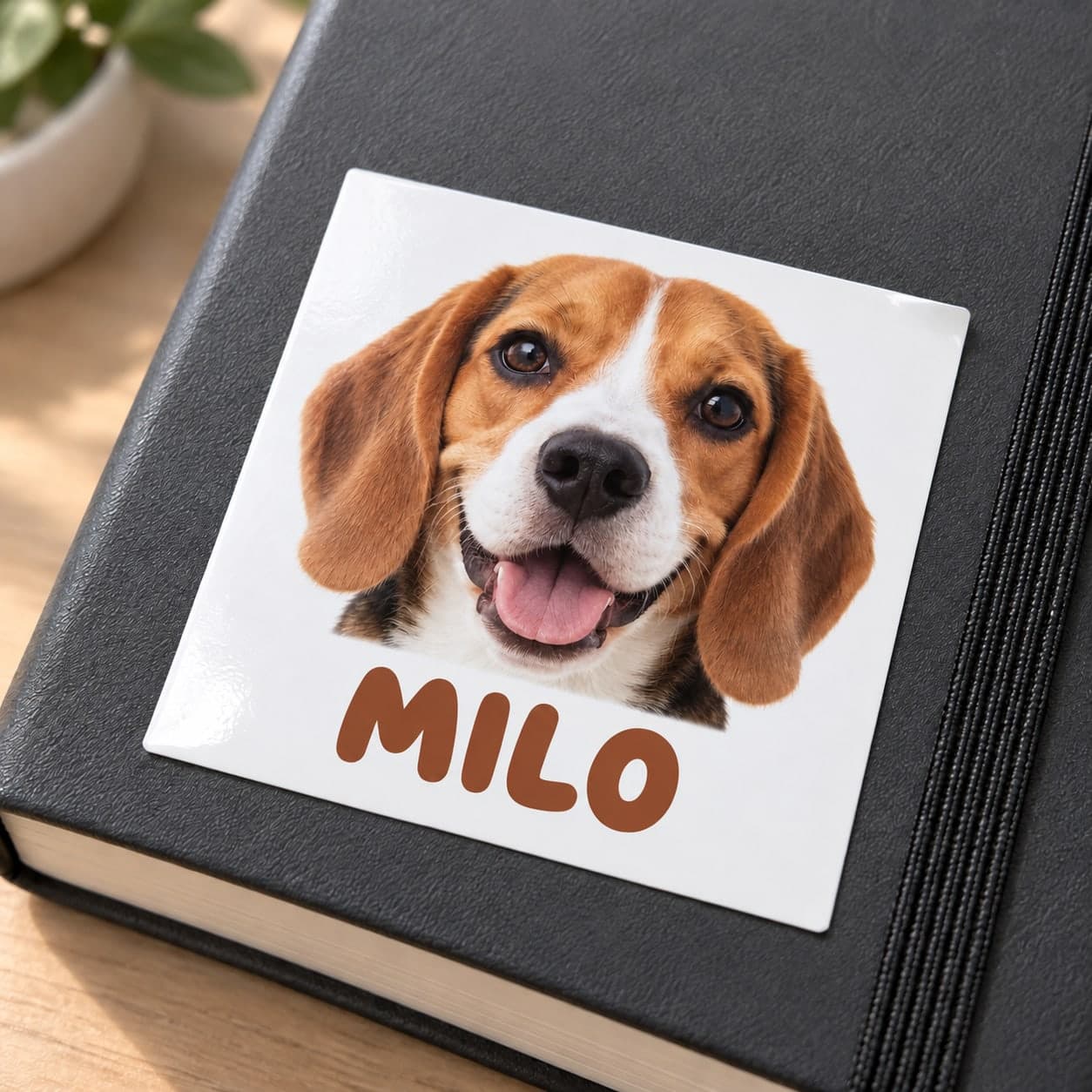
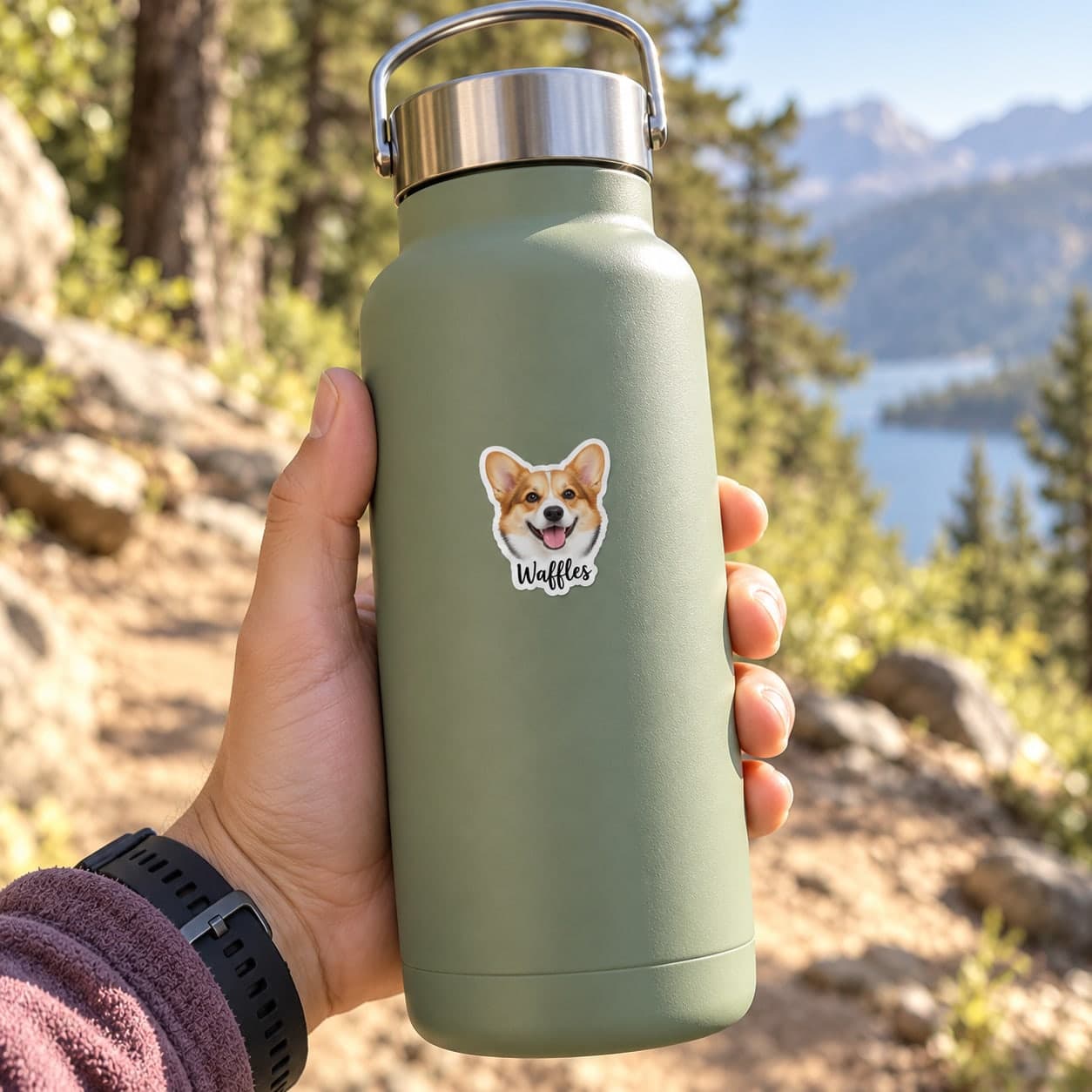
How personalizing works
- Pick the giftAny piece here. Order one, or many of the same.
- Send a logo, photo or noteUpload a file, write us a note, or both.
- Approve your proofWe design it and email you a proof. Nothing is printed until you approve it.
Same logo on every piece: order one or many, no minimum.
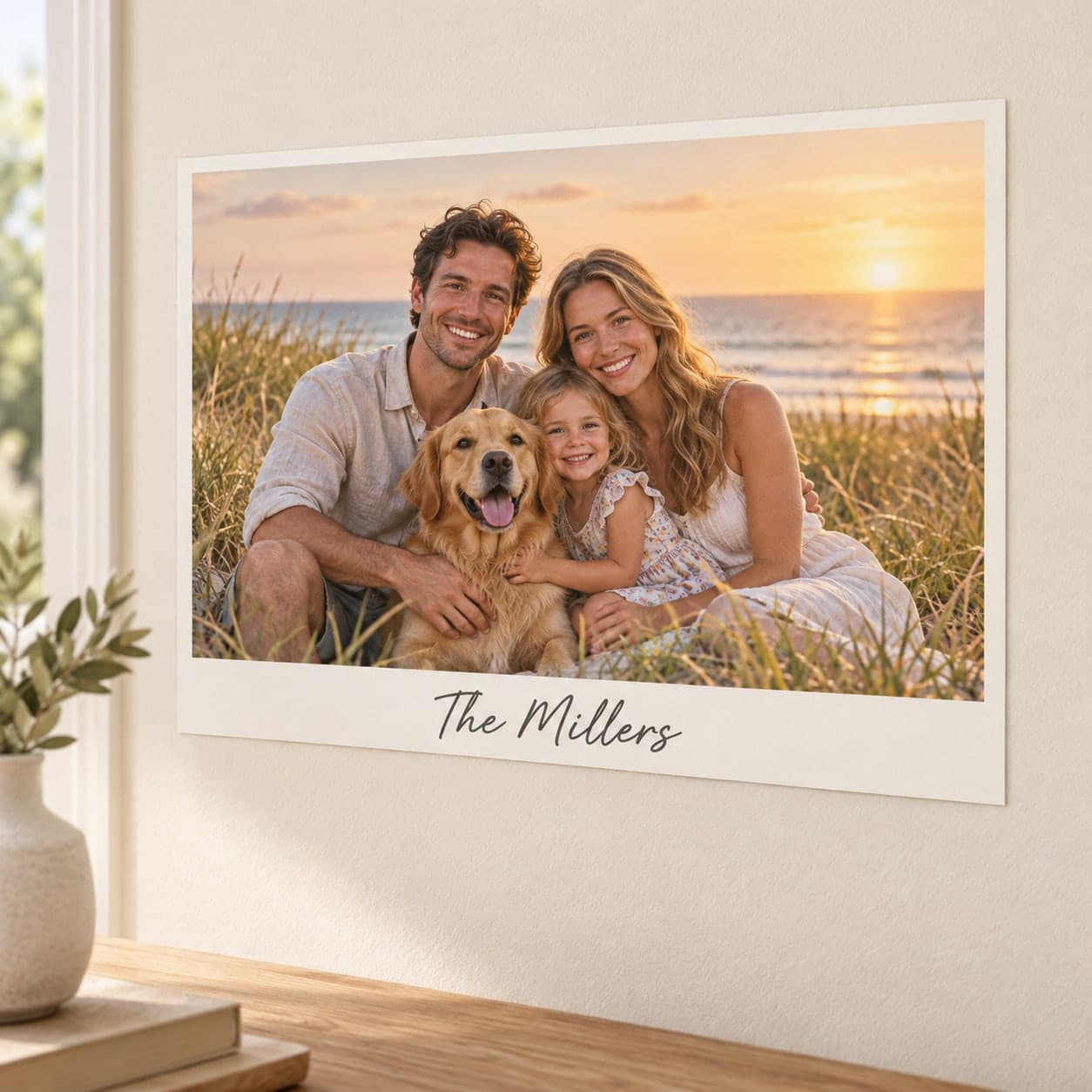
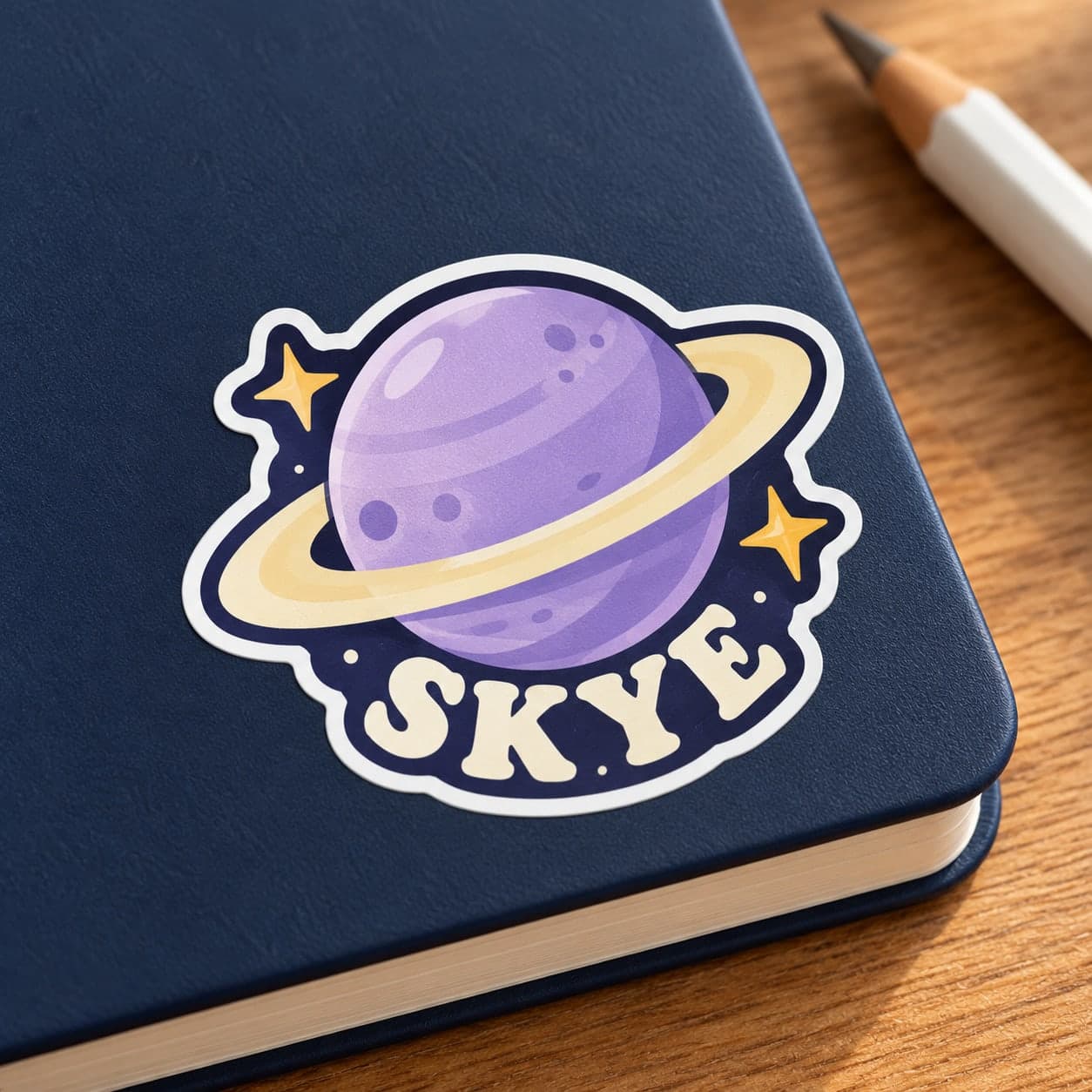
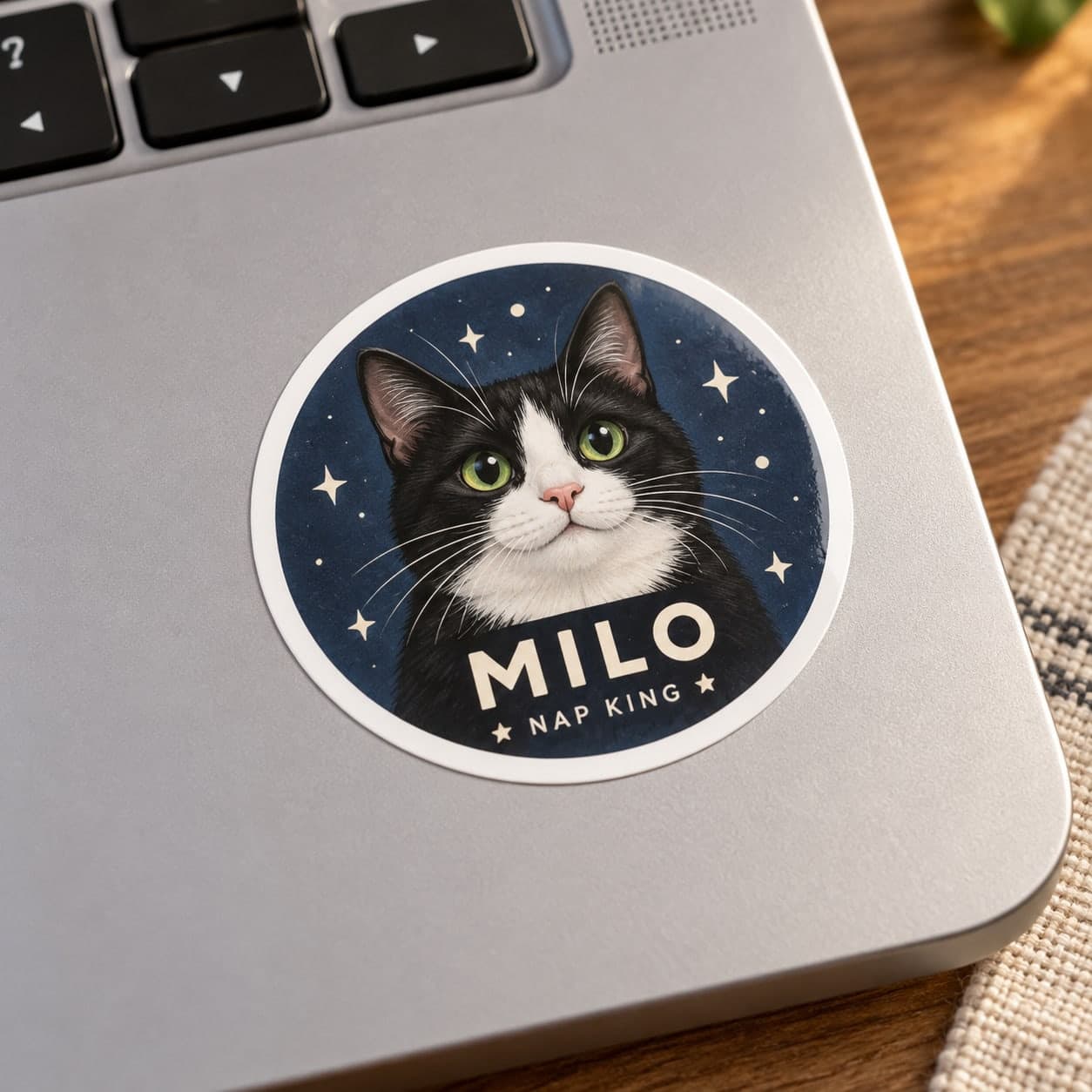
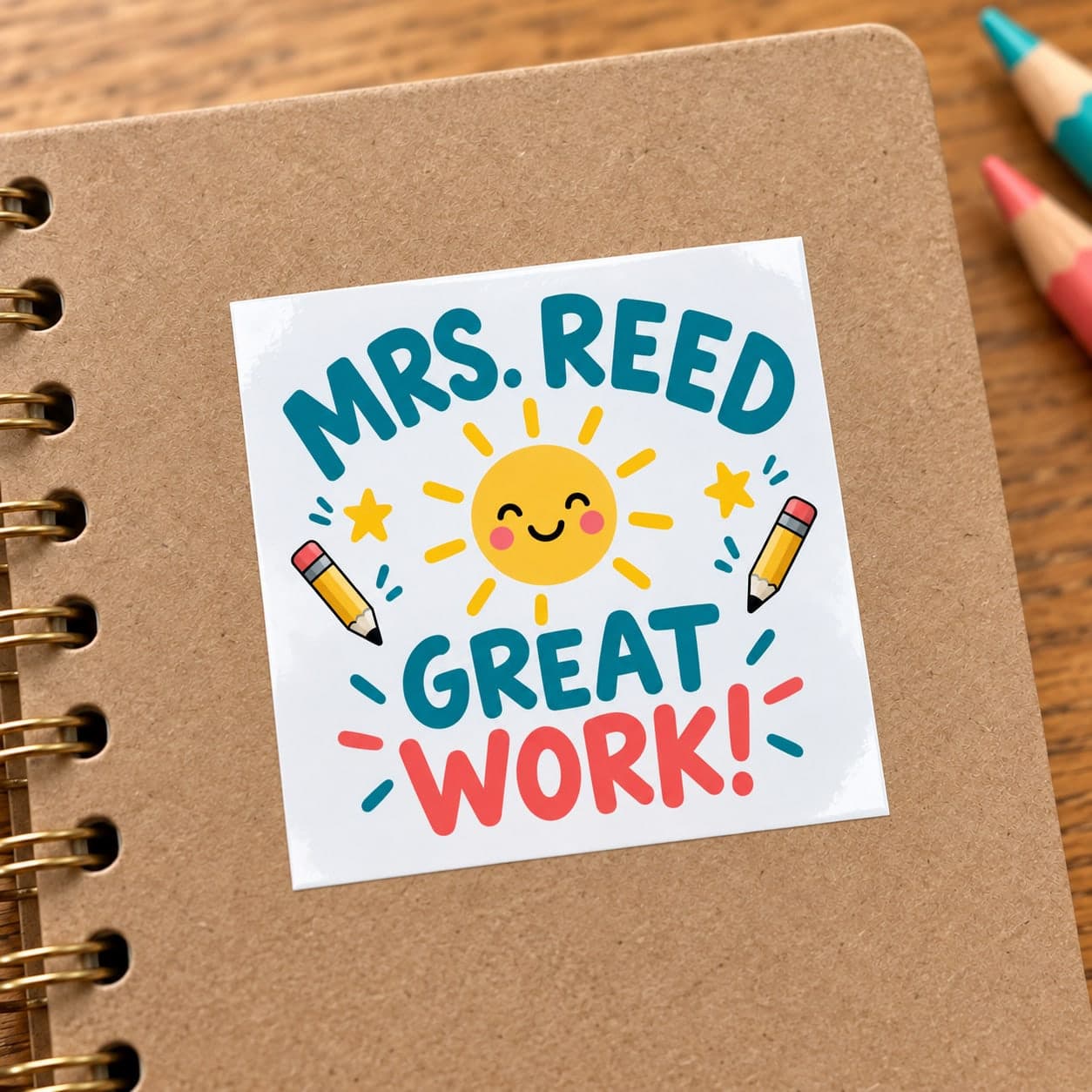
Die-cut singles follow the outline of your design. Kiss-cut versions leave the backing square so the sticker peels cleanly off it. Square and round vinyl stickers, bumper stickers, label rolls, holographic and transparent stock, laminated sheets and larger wall decals each do a different job. The round and square stickers are also sold as indoor/outdoor variants, and the transparent ones are listed for outdoor use. Everything is printed in full colour from one file you upload, so a logo, a photograph or a line of lettering all work the same way. Production is 1 to 3 days before the order ships, and there is no minimum — one custom sticker is an ordinary order.
Die-cut, kiss-cut, or a label roll
Die-cut is the default: the cut follows your artwork, so a round logo comes back round with no white border. Kiss-cut cuts the sticker but leaves the square backing intact, which makes it easier to peel and to post flat.
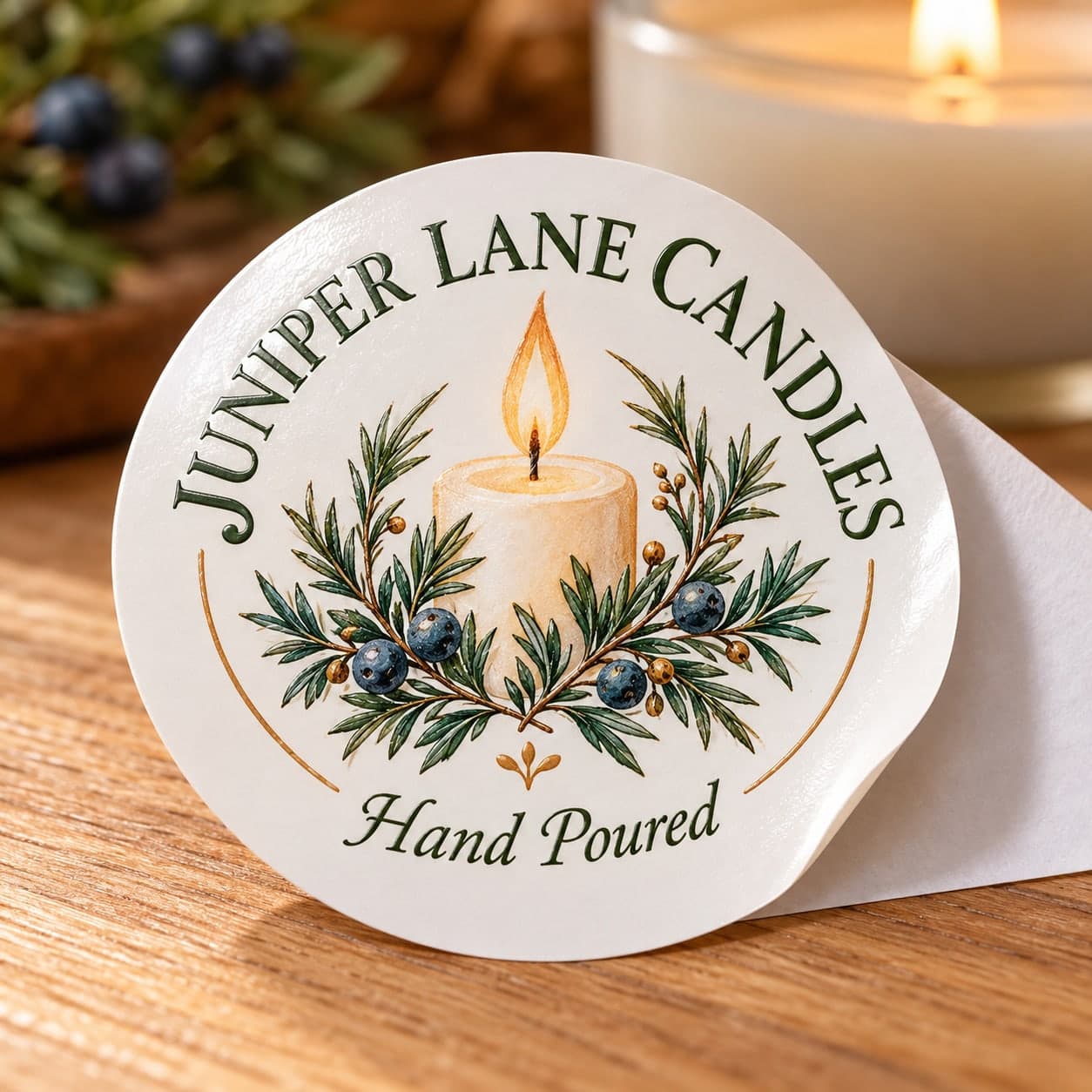
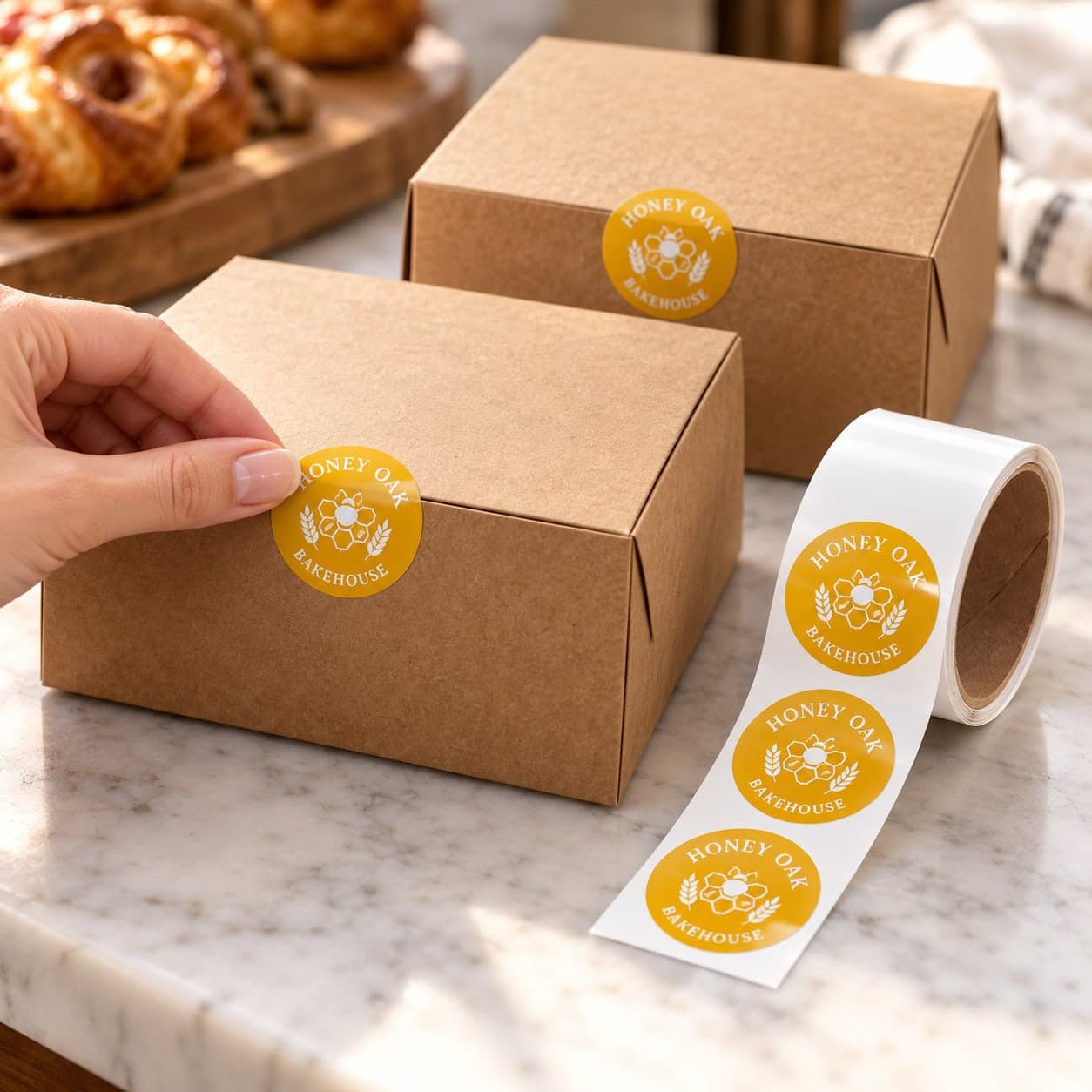
Label rolls are a different purchase. They arrive as a roll rather than as singles, so they suit packaging and anything applied in a row, and the listed price reflects the quantity rather than the size.
Wall decals are the large-format end of the shelf — one piece sized for a wall, not a sheet of many.
Stock, finish and what the surface does to your colours
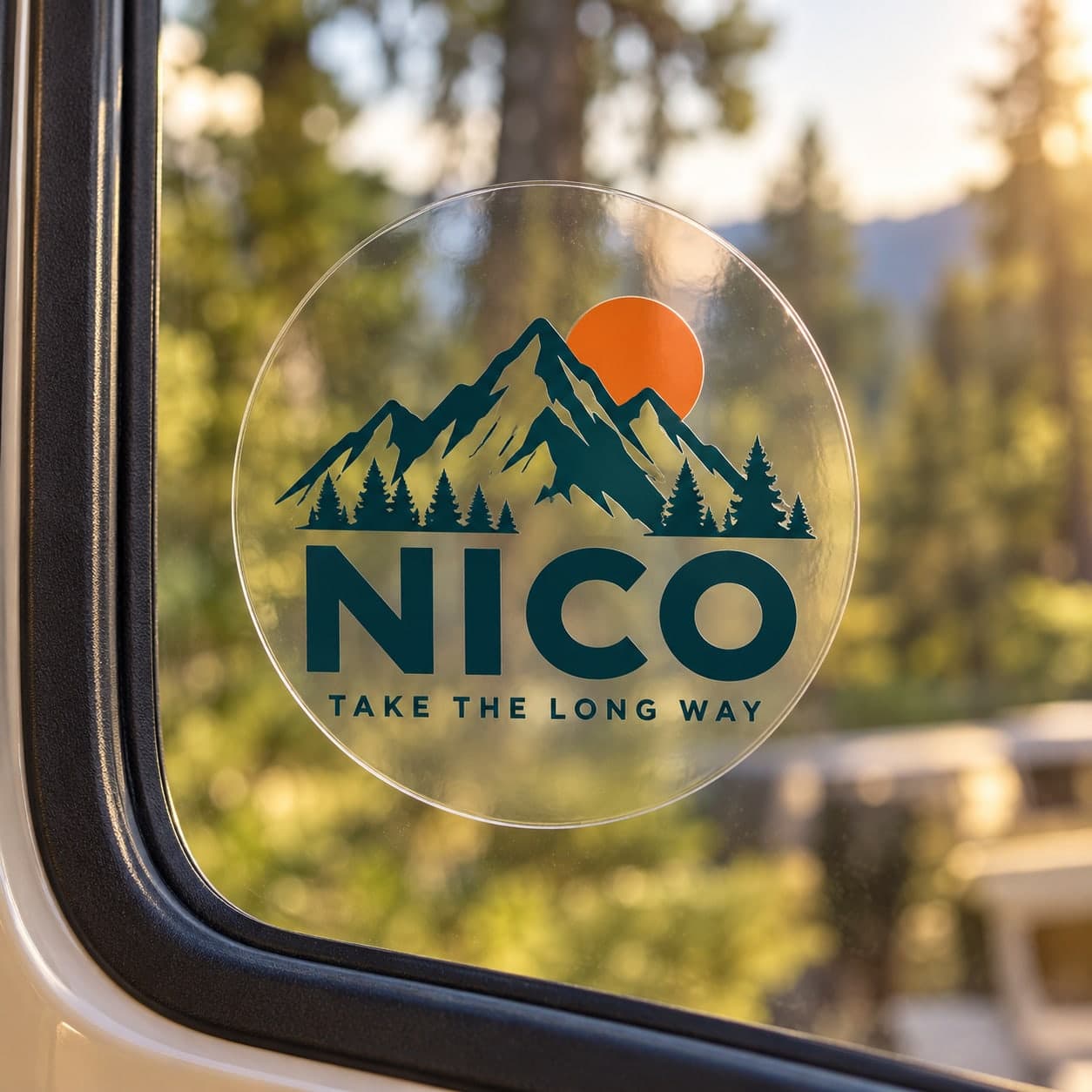
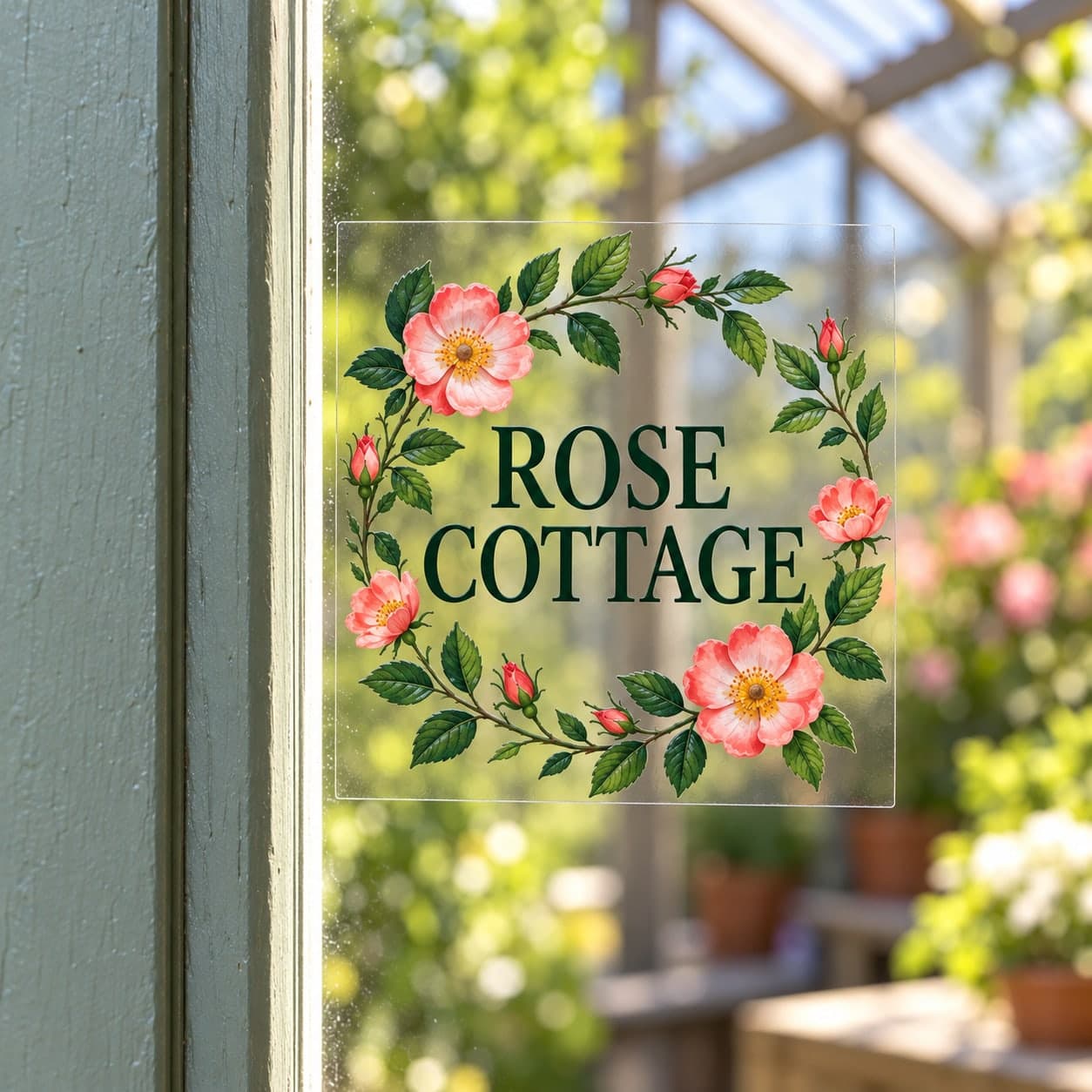
Transparent stock has no white layer behind the ink, so the surface underneath shows through: bold line work stays sharp and pale tones go soft. Holographic stock adds a shifting metallic base that changes with the viewing angle, which suits a simple shape far better than a photograph.
Laminated stock adds a protective top layer over the print. The guide to this printing method explains how the ink is laid down and set, and why a gloss surface reads differently in direct light.
Each product page states whether that format is intended for indoor or outdoor use — it varies across the shelf rather than by stock type.
What else carries the same artwork
One file can cover a whole set. The same design goes onto a sign or banner for an event, a flag for outside it, a canvas print for the wall afterwards, and a mug for the people who ran it.
Custom Stickers With Your Design — common questions
- What does die-cut mean for my sticker artwork?
- The sticker is cut along the outside edge of your design rather than into a square, so there is no white border. Artwork with a very fine outer line is the one case to watch, because the cut needs a little material to hold onto at the edge.
- What is the difference between die-cut and kiss-cut stickers?
- Both are cut to the shape of your design. A die-cut sticker is cut all the way through, so the sticker and its backing share one outline. A kiss-cut sticker is cut only through the top layer, leaving a square backing behind it, which makes it easier to peel and to post flat.
- Can pale colours be printed on transparent sticker stock?
- They can, but they will read faintly, because there is no white layer behind the ink and whatever the sticker is applied to shows through. Bold shapes and dark line work suit transparent stock; anything pastel belongs on a white stock instead.
- Do sticker label rolls cost less per sticker than singles?
- Per sticker, yes — a roll is one print run and arrives in quantity, which is why its listed price is the highest on this shelf while its cost per sticker is the lowest. Singles cost less up front and can be handed out separately, which is the trade.
- How small can text on a custom sticker be and still read?
- The limit is set by line weight rather than point size — a hairline typeface closes up long before a chunky one does. If the design carries small print, upload the largest original file you have and keep that text in one solid colour.