Dyed into the material
Dye sublimation
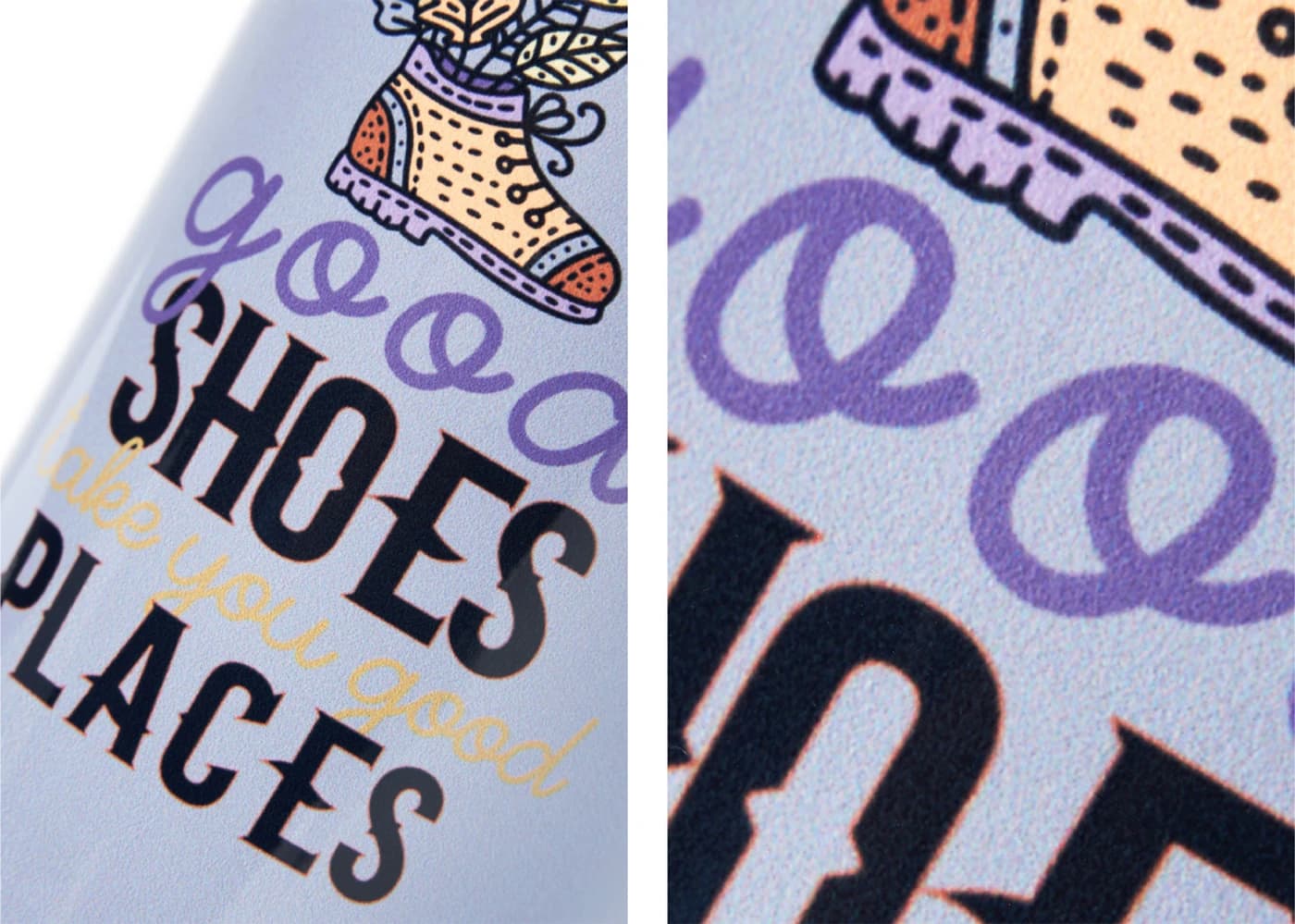
Dye sublimation turns solid dye straight into gas under heat, which bonds into the surface of a polyester fabric or a specially coated hard item and then returns to solid inside it. Nothing sits on top, so there is no layer to crack, peel or wear away and the colour lasts as long as the item does. It covers whole surfaces rather than boxes, which makes it the method behind full-wrap mugs, tumblers, socks and textiles — and it needs a light-coloured base, because the dye is translucent and cannot lighten what is underneath it.
- Coverage
- Full surfaceWraps rather than sits in a box
- Durability
- PermanentDye is inside the surface, not on it
- Materials
- Polyester and coated hard goods
- Base colour
- White or lightDye cannot lighten the surface beneath
- Resolution
- 120–150 DPI for large items300 DPI for small ones
- Colour mode
- RGB
How it works
Your artwork is printed with dye onto a transfer sheet. Heat and pressure turn that dye directly into a gas, which passes into the surface of a polyester fabric or a polymer-coated hard item and solidifies again once it cools — inside the material rather than on it.
That is why a sublimated mug can go through a dishwasher and a sublimated sock can be worn out without the design fading at the edges. There is no ink layer to fail because there is no ink layer.
Designing for a wrap
These products rarely have a neat rectangular print area. A mug wraps, a tumbler tapers, a sock is tubular, a bath mat has a bound edge. Extend artwork fully to the bleed on all sides so nothing lands short and leaves an unprinted margin, and keep anything you care about away from the physical features — the handle join on a mug, the lid seam on a tumbler, the heel and toe on a sock.
Placement can shift slightly from item to item, so avoid designs that require a specific element to land in an exact spot. Patterns, full-bleed scenes and generously spaced compositions all handle the tolerance well; a single small motif that must sit dead centre does not.
Colour behaviour
The dye is translucent and adds colour to whatever it lands on rather than replacing it. On a white base that is exactly what you want. On a coloured or off-white base, everything shifts toward the base colour, and no amount of ink will produce a colour lighter than the surface beneath it — white in your artwork means "no dye here", so it comes out as the item’s own colour rather than as printed white.
Colours generally emerge vivid and saturated, often more so than they look on screen. The exception is deep black on textiles, which can read slightly softer than expected because a little of the base still shows through.
Do this, not that
Do
- Extend artwork fully to the bleed on every edgeWrapped and bound surfaces have no straight edge for the print to stop against.
- Design for a light-coloured baseThe dye is translucent and cannot make anything lighter than the surface under it.
- Keep key elements away from handles, seams and lidsThose features interrupt the printable surface and placement shifts slightly.
- Supply large items at 120–150 DPI or betterBlanket and tapestry templates are physically enormous.
Avoid
- Relying on white in your artwork to print as whiteWhite means no dye — it comes out as the item’s own surface colour.
- Designs needing an element in an exact positionPlacement shifts slightly between items; wraps and patterns absorb that, single motifs do not.
Common questions
- What is dye sublimation?
- A printing process in which solid dye is turned directly into gas by heat, bonds into the surface of a polyester fabric or polymer-coated item, and solidifies inside it. Because the colour ends up within the material rather than on top of it, there is no layer that can crack, peel or wear away.
- Why does sublimation need white or light-coloured products?
- Sublimation dye is translucent — it adds colour to the surface rather than covering it, and it cannot produce a colour lighter than what is underneath. On a light base the colours read true; on a dark base they disappear into it. White areas in your artwork mean "no dye", so they show the item’s own colour.
- Is sublimation dishwasher and wash safe?
- Yes. The dye is bonded inside the surface rather than sitting on it, so there is nothing to lift or flake. Sublimated drinkware survives dishwashing and sublimated textiles survive normal laundering without the design degrading at the edges.
- What is the difference between sublimation and all-over printing?
- They are the same chemistry applied differently. All-over printing sublimates the fabric on the roll and then cuts and sews a garment from it, so the design crosses seams. Dye sublimation as a product method covers a finished item — a mug, a tumbler, a sock, a mat — in one wrap.
Products made this way
Custom Wedding Coasters, Set of Four, with Your Names
Custom Body Pillow with Your Photo, Full-Length Throw Pillow
Custom Steering Wheel Cover Car Accessory with Your Design
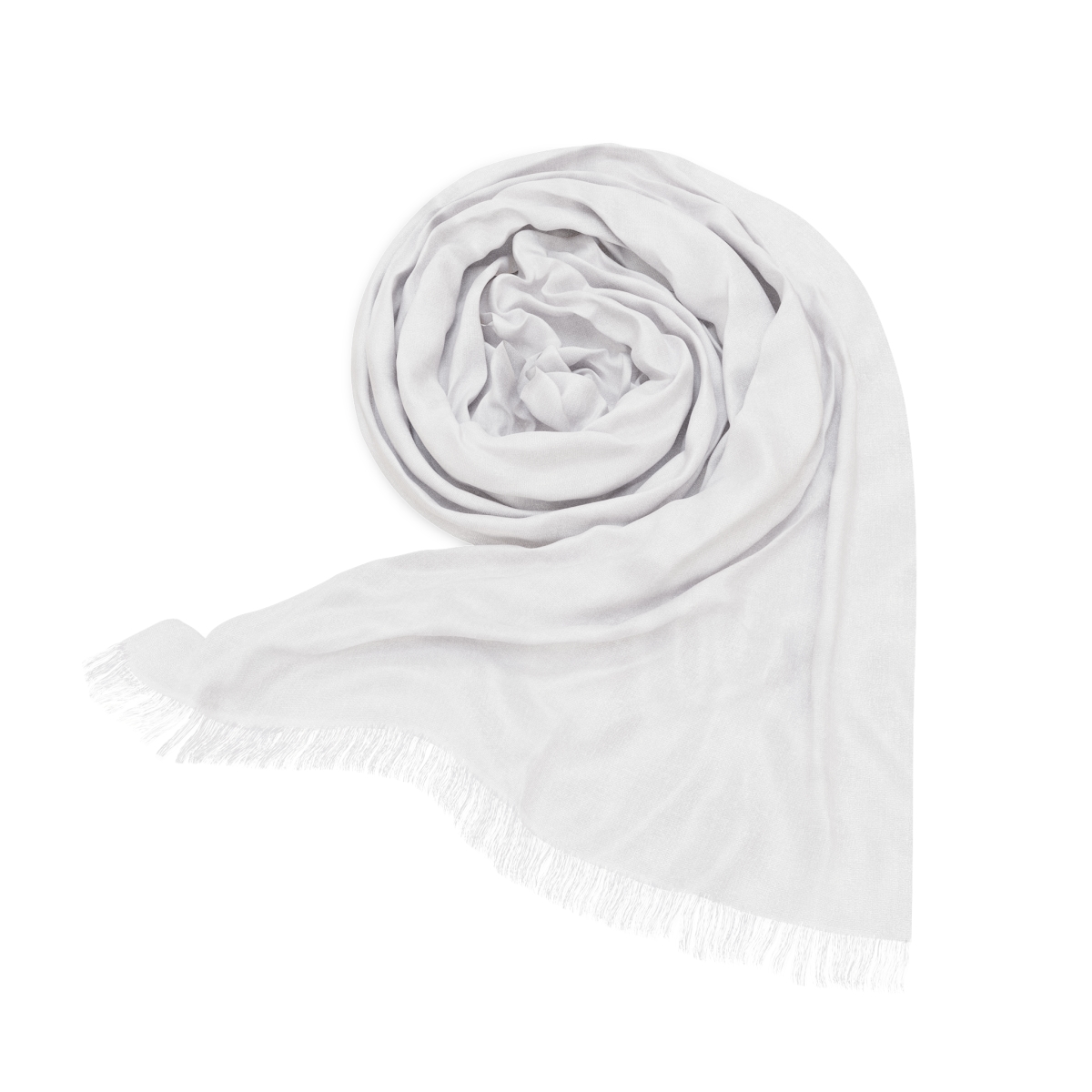
Custom Scarf with Your Photo or Art | Personalized Wearable Art
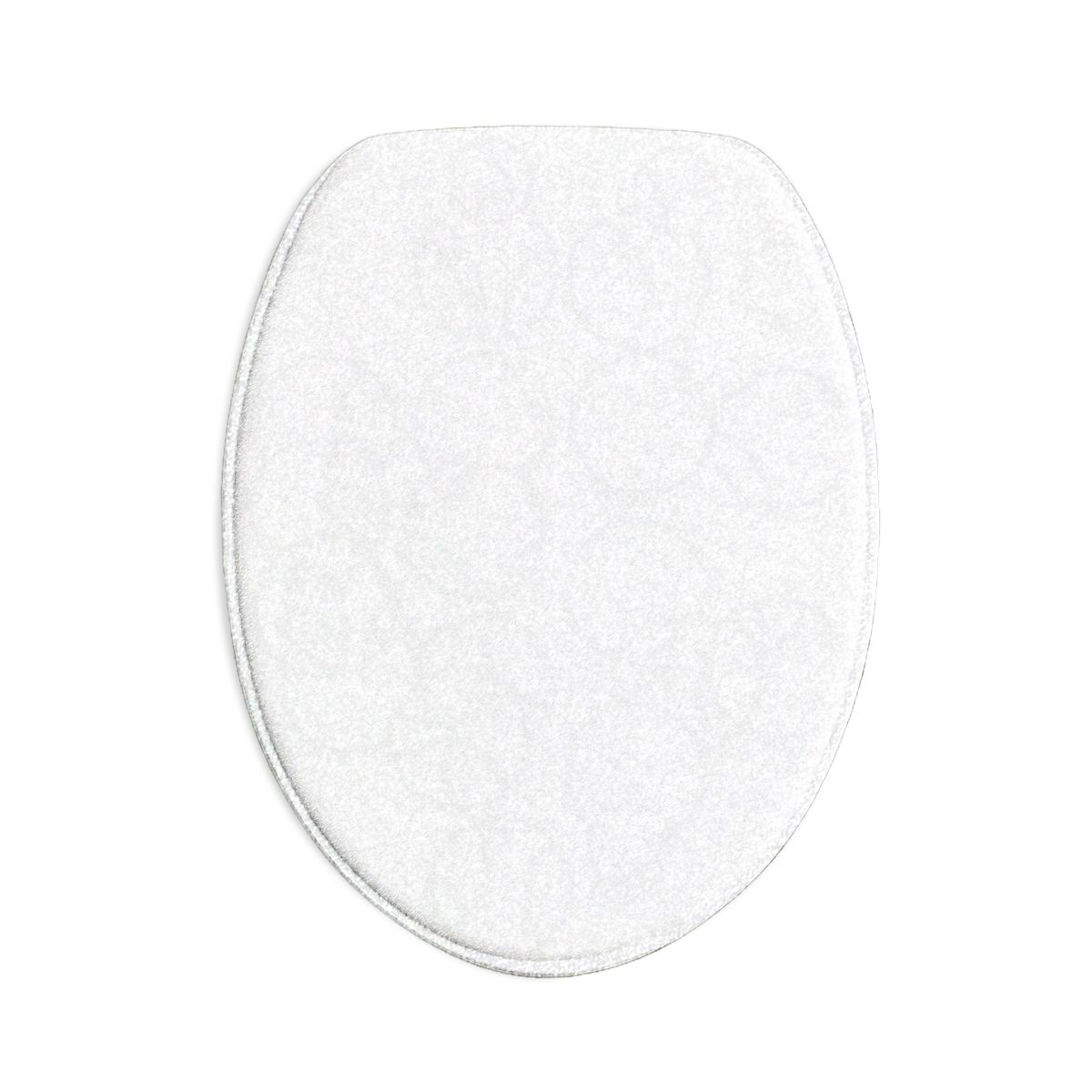
Custom Rug Set for Bathroom, Set of 3 with Your Design
Custom Bedding, Twin Flat Sheet with Your Design
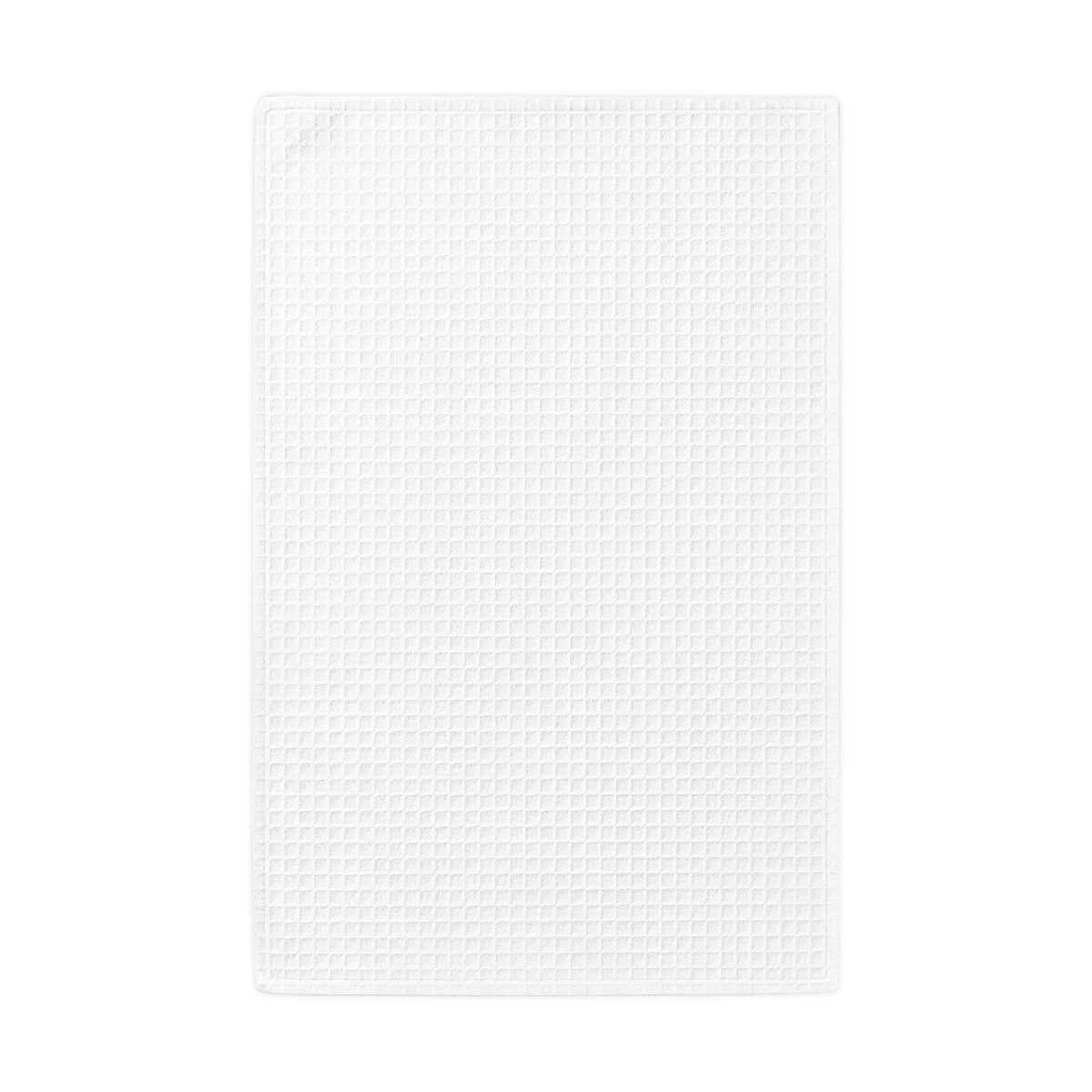
Custom Kitchen Towel, Waffle Dish Towel with Your Design
Custom Baby Blankets, Minky Sleep Sack, with Your Name
Related methods
How we know this
- Supplier sublimation and drinkware guidelines — verified 2026-08-15
- BelDisegno production capability record — verified 2026-08-15