Dyed into the material
Direct-to-fabric printing
Direct-to-fabric printing prints the cloth itself, on the roll, before a single piece is cut. The garment is then cut and sewn from that printed fabric, so colour runs continuously across panels and seams and the design is part of the material rather than a layer on it. It is the method behind continuous prints on natural fabrics — and despite the name it has nothing to do with DTF, which stands for Direct-to-Film and presses a transfer onto an item that has already been made.
- Printed
- Before cuttingOn the roll, then cut and sewn
- Coverage
- ContinuousRuns across panels and seams
- Soft transparency
- Supported
- Placement tolerance
- Shifts slightly at seams
- Resolution
- 120–150 DPI for large repeats300 DPI for small
- Best artwork
- Repeating patterns
Printed before it is a garment
A roll of blank cloth passes through a wide-format printer and comes out the other side as printed fabric. Only then is it laid out, cut into panels and sewn. The consequence is that there is no "print area" in the usual sense — the whole bolt carries your design, and whichever part of it a panel is cut from is what that panel shows.
That gives a continuity nothing applied to a finished garment can match: a pattern runs across a side seam and up a sleeve without interruption, because it was never interrupted to begin with.
Designing a repeat
Because panels are cut from an arbitrary position on the roll, the design has to look right no matter where it is cut. A seamless repeating pattern does this by definition and is what the method is built around.
A single large motif is possible but demanding: it has to survive being cut at an unpredictable point, and the pieces on either side of a seam will not align perfectly, since cutting and sewing are done by hand. Keep focal elements away from where seams will fall, or design so that any crop still reads as intentional.
Extend artwork fully to the edges of the template. Anything left uncovered becomes unprinted cloth once the panel is cut.
It is not DTF
The abbreviation DTF always means Direct-to-Film — printing a design onto a transfer film and heat-pressing it onto a finished item. It is a completely different process on a completely different set of products, and its design rules are almost the opposite of these: a bounded print area, a transparent background, a bold graphic that sits on the surface.
If you are designing a chest graphic for a t-shirt, you want the Direct-to-Film guide. If you are designing a pattern that covers a whole garment, you are in the right place.
Do this, not that
Do
- Design a seamless repeating patternPanels are cut from an unpredictable position on the roll and a repeat looks right wherever the cut lands.
- Extend artwork to every edge of the templateUncovered areas become unprinted cloth after cutting.
- Keep focal elements clear of where seams will fallPanels are joined by hand and cannot be aligned perfectly across a seam.
Avoid
- Expecting a motif to land in a specific placeThe cut position on the roll is not fixed, so neither is the motif.
- Designing a bounded chest graphic hereThat is Direct-to-Film work — this method prints the whole cloth.
Common questions
- Is direct-to-fabric the same as DTF?
- No. DTF always means Direct-to-Film — a design printed onto transfer film and heat-pressed onto a finished item. Direct-to-fabric prints the cloth itself on the roll before anything is cut or sewn, so the colour is in the material and runs continuously across seams. The names are nearly identical and the processes have nothing in common.
- What artwork works best for direct-to-fabric printing?
- A seamless repeating pattern. Garment panels are cut from an unpredictable position on the printed roll, so a repeat is the only kind of design guaranteed to look deliberate wherever the cut falls. Single large motifs are possible but risk being cropped at an awkward point.
- Will the pattern line up across the seams?
- Approximately, but not perfectly. The panels are cut and sewn by hand, so there is a small tolerance at every join. A busy or small-scale repeat hides this completely; a large geometric pattern with strong horizontal lines shows it most.
Products made this way
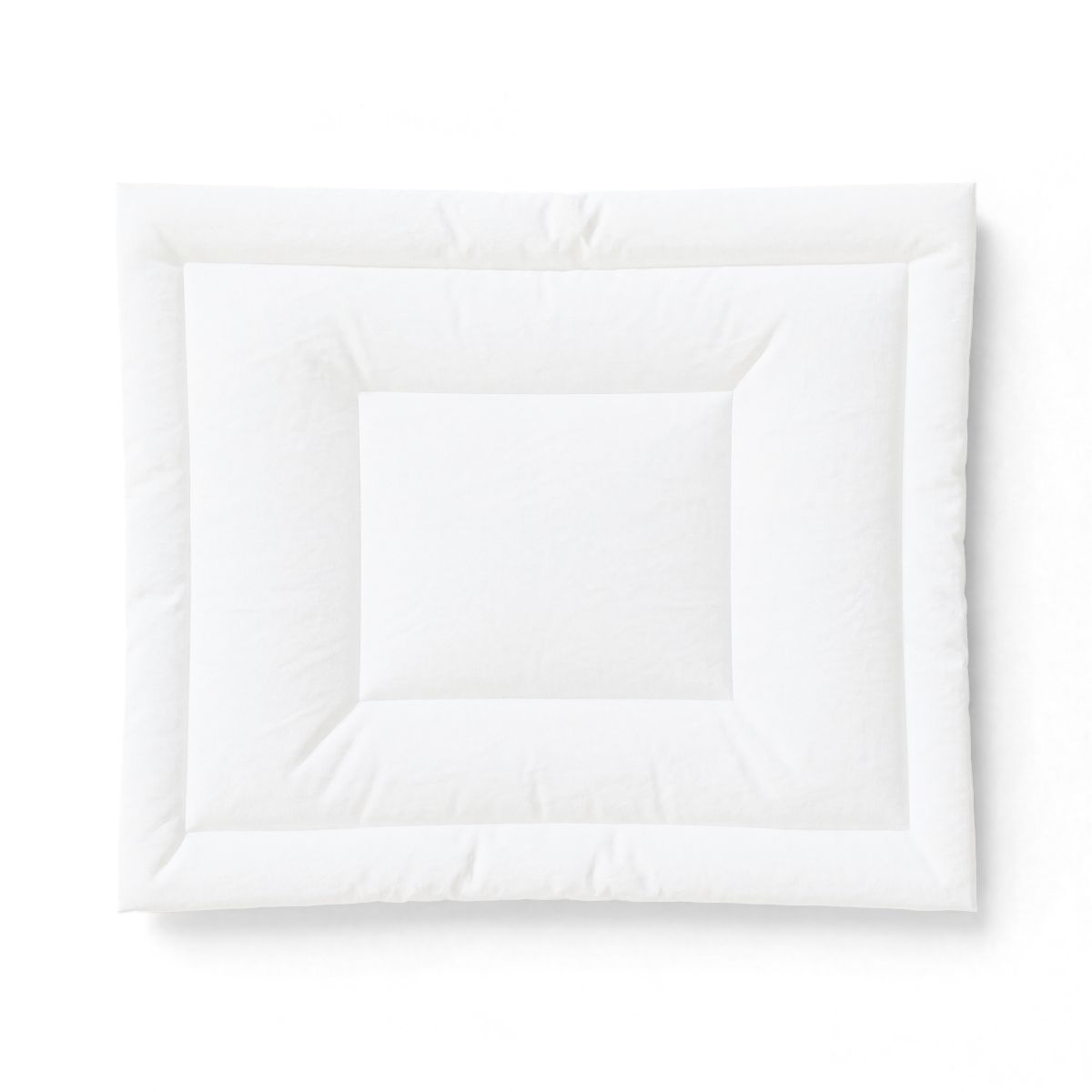
Custom Comforter, King Size Cotton with Your Photo
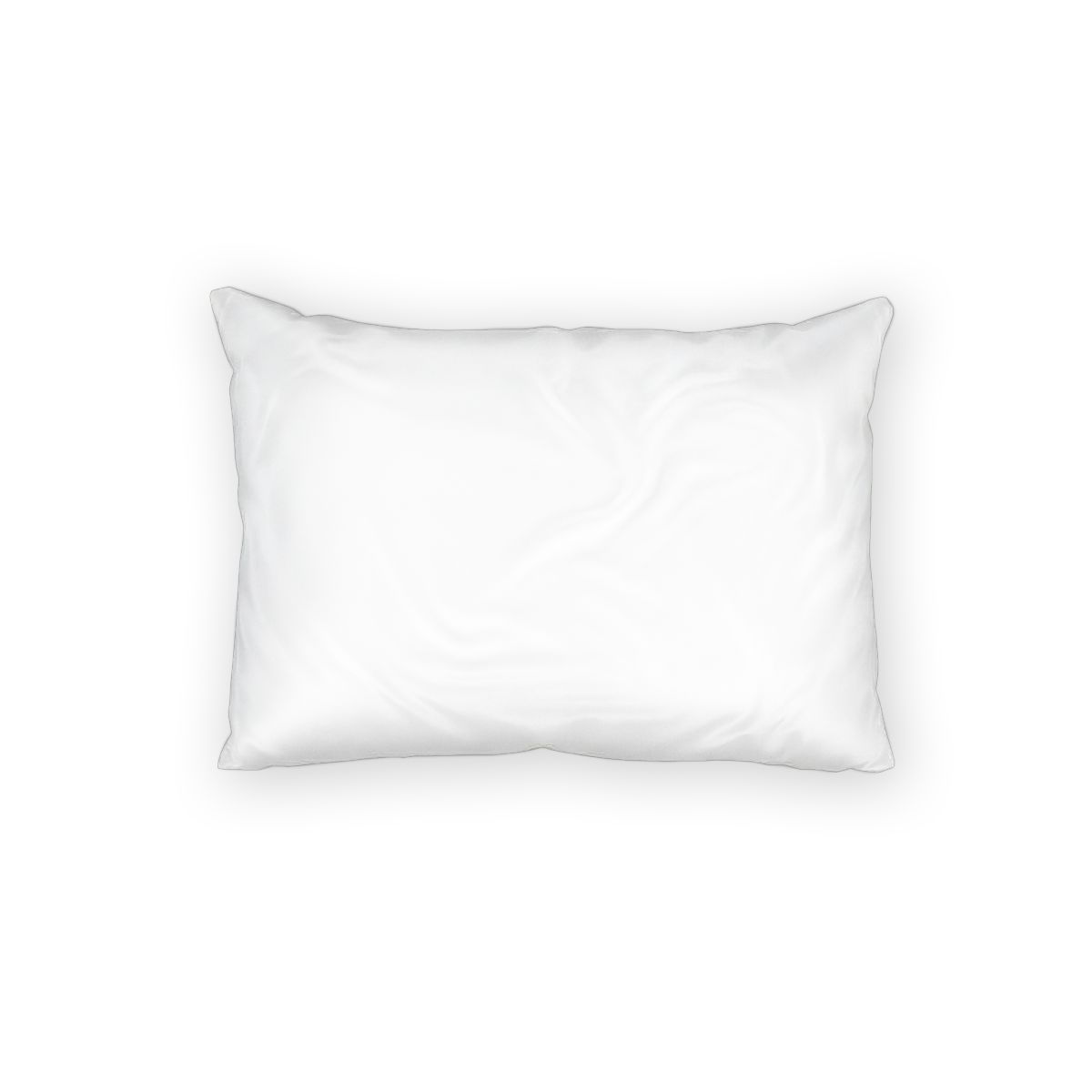
Custom Pillowcase Sham, Cotton, with Your Design
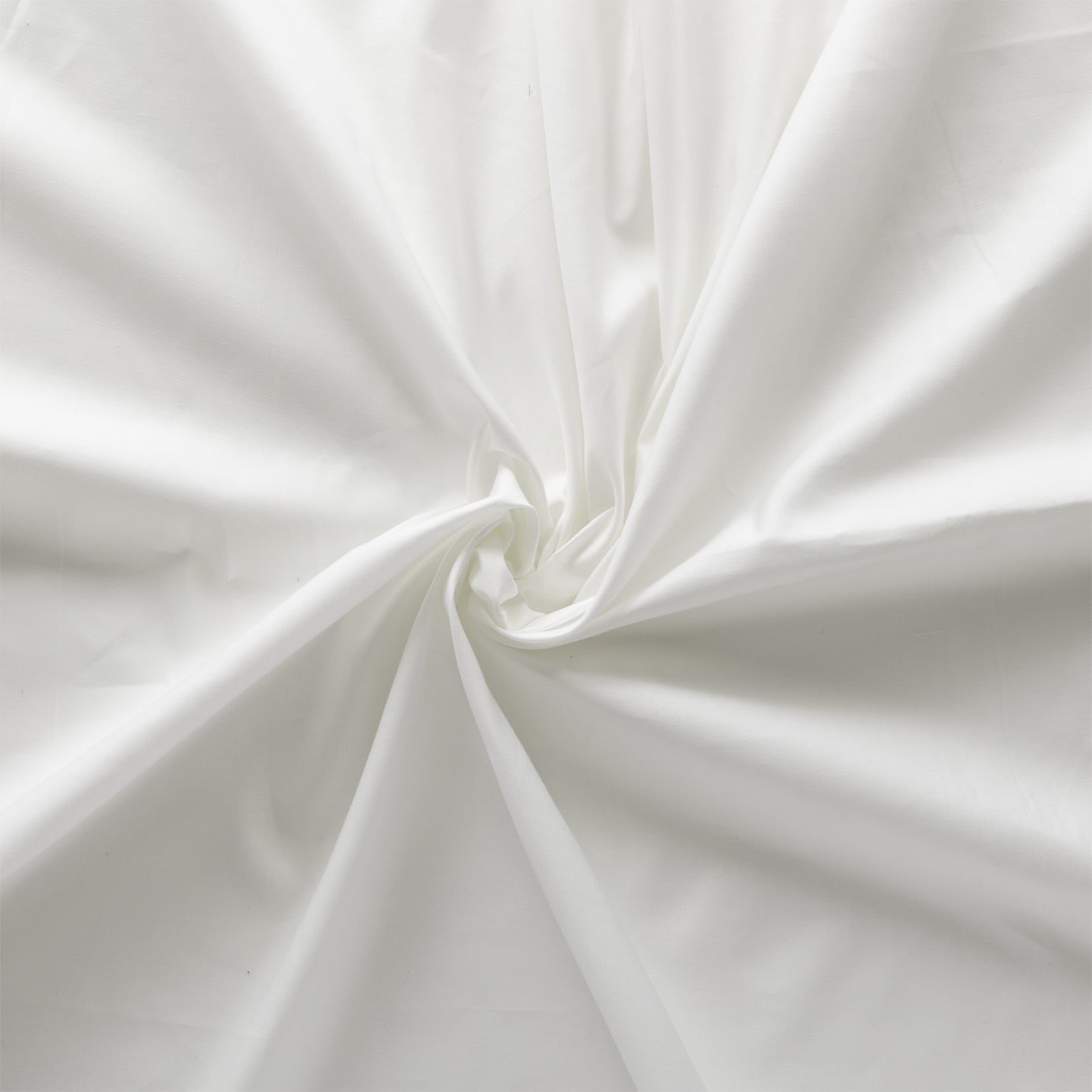
Custom Cotton Fabric with Your Design
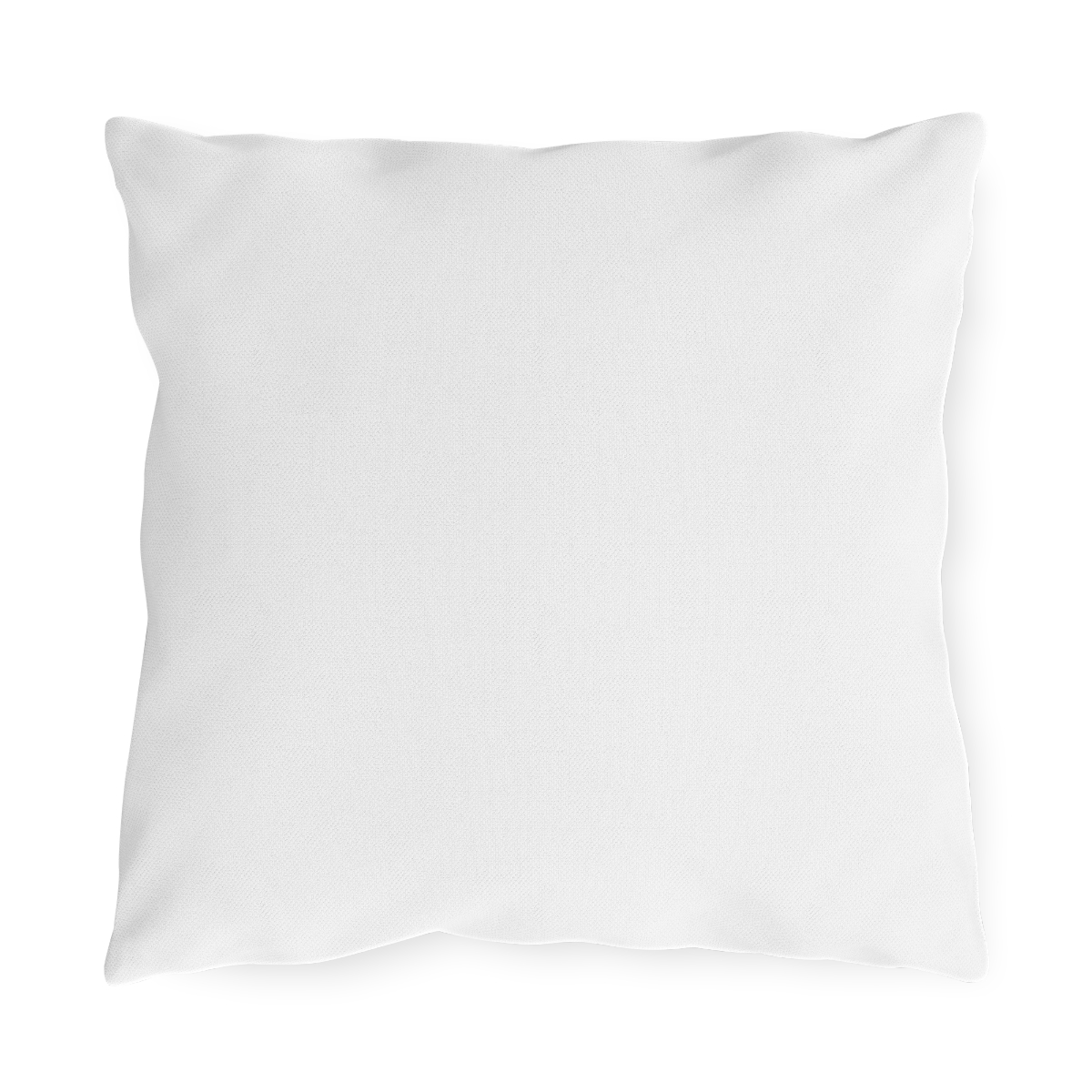
Custom Outdoor Throw Pillow with Your Design
Custom Cotton Duvet Cover with Your Photo
Custom Duvet Cover Bedding Set with Your Photo
Custom Cotton Napkins with Your Design
Custom Table Linen Tablecloth with Your Photo
Related methods
How we know this
- Supplier design guidelines — verified 2026-08-15
- BelDisegno production capability record — verified 2026-08-15