Printed on the surface
Direct-to-Film (DTF) printing
Direct-to-Film (DTF) printing prints your artwork onto a transfer film, coats it with adhesive powder, and heat-presses it onto the finished item. It prints full colour with bright, opaque results on fabrics of any colour — including dark, textured and synthetic materials that direct-to-garment printing struggles with — and it holds a crisp edge. Because the design is a thin flexible layer bonded onto the surface, very fine lines can soften slightly and large solid blocks feel a little smoother to the touch than the fabric around them.
- Colour range
- Full colourOpaque on any garment colour
- Photographs
- Yes
- File formats
- PNG, JPG, SVGPNG preferred for transparency
- Resolution
- 300 DPIAt the printed size
- Colour mode
- RGB
- Fabrics
- Cotton, polyester, blendsIncluding dark and textured
How it works
Your artwork is printed in full colour onto a sheet of transfer film, backed with a layer of white ink so the colours stay opaque, and dusted with a heat-activated adhesive. The film is then pressed onto the item, the adhesive bonds to the fabric and the film peels away, leaving only the printed design behind.
Because the white backing is printed as part of the transfer rather than sprayed onto the garment, colours stay bright on black, navy and heather fabrics without the artwork having to fight the material underneath. It is also why the method works on polyester and blends, which do not absorb direct-to-garment ink well.
What suits it best
Bold artwork with clean edges and strong colour is where this method is at its best — logos, lettering, illustrations and vivid graphics all transfer crisply and stay legible after repeated washing.
Photographs reproduce well too. The one thing to keep an eye on is the very finest detail: hairline strokes and single-pixel edges soften slightly as the transfer bonds, so a design that depends on 0.5pt rules will read a little heavier than it does on screen. Thicken anything critical and it will come through exactly as drawn.
Direct-to-Film is not direct-to-fabric
The two names are almost identical and the processes have nothing in common. Direct-to-Film — this page — prints a transfer and presses it onto an item that has already been made. Direct-to-fabric prints the cloth on the roll, before anything is cut or sewn, so the colour is in the material itself and covers the whole garment.
If you are designing an all-over pattern that runs across seams, you want the direct-to-fabric guide, not this one.
Do this, not that
Do
- Use a transparent PNG backgroundAnything opaque in the file becomes part of the transfer, including a white box you meant as a background.
- Keep strokes and outlines comfortably thickVery fine lines soften slightly as the transfer bonds to the fabric.
- Lean into bold, saturated colourThe white backing keeps colours opaque on dark fabric, so strong palettes stay strong.
Avoid
- Large unbroken blocks of solid colourA big continuous transfer is stiffer and less breathable than the same design broken up with texture or negative space.
- Hairline detail and 1px separationsGaps that thin can close up when the transfer is pressed.
- Assuming this is direct-to-fabric printingDifferent process, different products — an all-over pattern belongs on the direct-to-fabric guide.
Common questions
- What is DTF printing?
- DTF stands for Direct-to-Film. Your design is printed in full colour onto a transfer film, backed with white ink and adhesive powder, then heat-pressed onto the item so the design bonds to the surface and the film peels away. It produces bright, opaque colour on fabrics of any colour, including dark and synthetic materials.
- What is the difference between DTF and DTG printing?
- DTG sprays ink directly into the fibres of a finished garment, so the print is soft and sits in the fabric. DTF prints onto a film and presses that film onto the item, so the print sits as a thin layer on the surface. DTF is more opaque on dark and synthetic fabrics and holds a crisper edge; DTG has a softer hand-feel and no perceptible layer.
- Is DTF the same as direct-to-fabric printing?
- No. Direct-to-Film presses a printed transfer onto a finished item. Direct-to-fabric prints the cloth on the roll before the item is cut and sewn, so the design is in the material and can cover the whole garment across seams. The abbreviation DTF always means Direct-to-Film.
- Does a DTF print crack or peel?
- Not under normal wear and washing — the adhesive bonds into the fabric rather than sitting on it. The two things that shorten a transfer’s life are very large unbroken blocks of solid colour and high-heat tumble drying, both of which stress the layer more than a broken-up design at a moderate dryer setting.
- Can I print photographs with DTF?
- Yes. DTF reproduces photographs in full colour. Supply the image at 300 DPI at the size it will actually print, and avoid relying on detail so fine it is only a pixel or two wide, as that softens slightly during the press.
Products made this way
Custom T-Shirt in Frost Colours with Your Design
Personalized Bride Hoodie with Your Name or Wedding Date
Custom Couples Long Sleeve Shirt with Your Names
Custom Women's Orange T-Shirt with Your Design

Custom T-Shirt for Camping Trips with Your Design
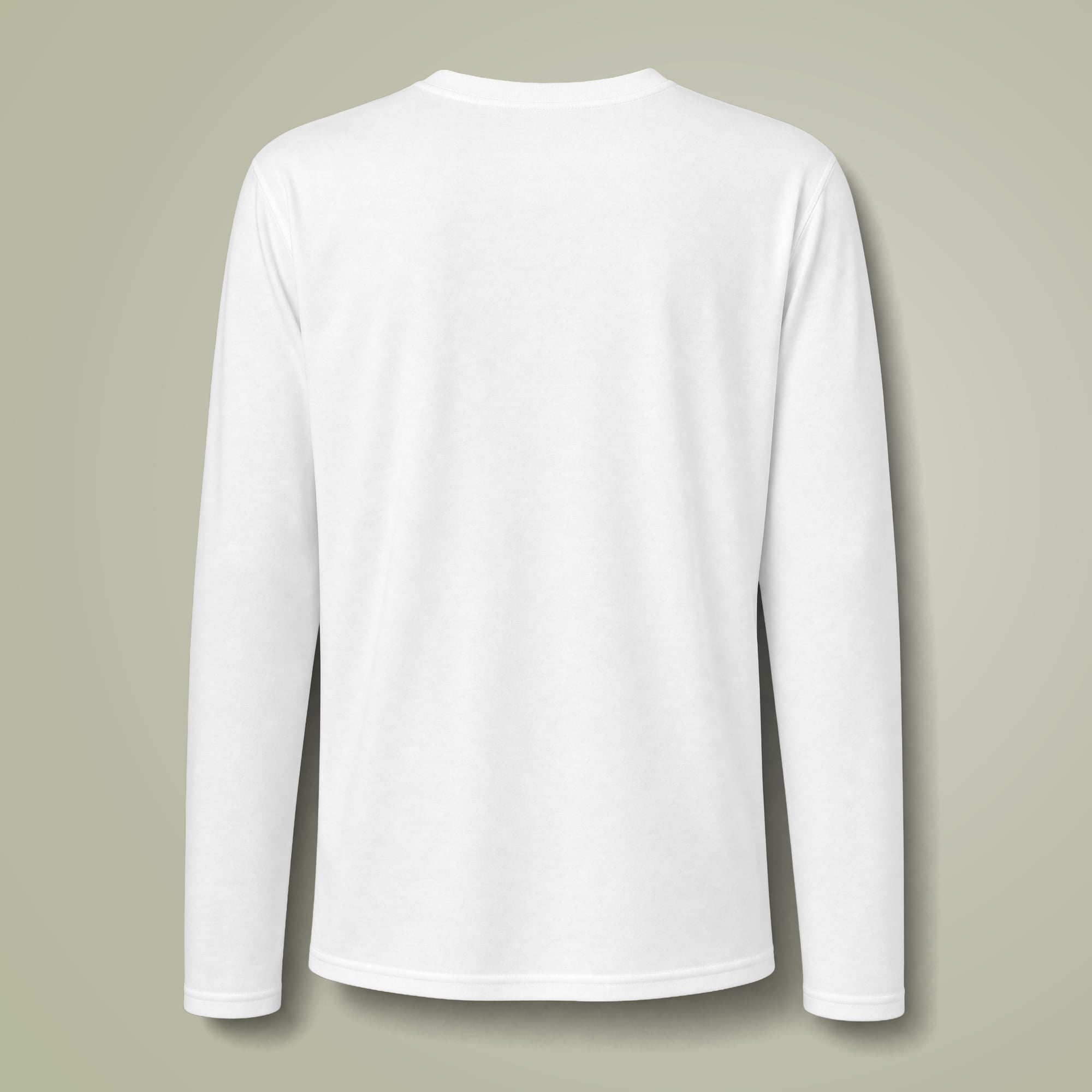
Custom Long Sleeve Work Shirt with Your Company Logo
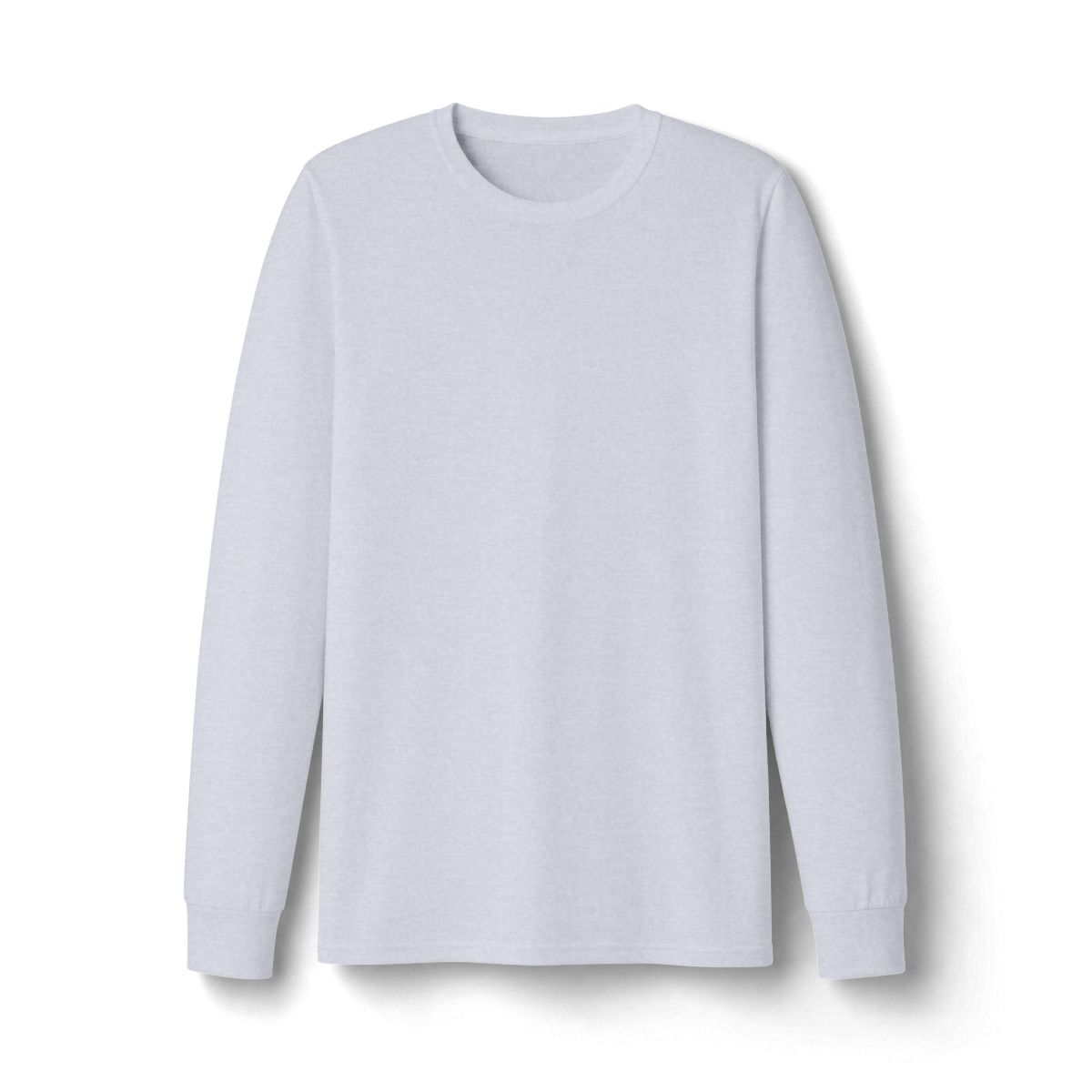
Custom Bachelorette Long Sleeve Shirt with Your Text
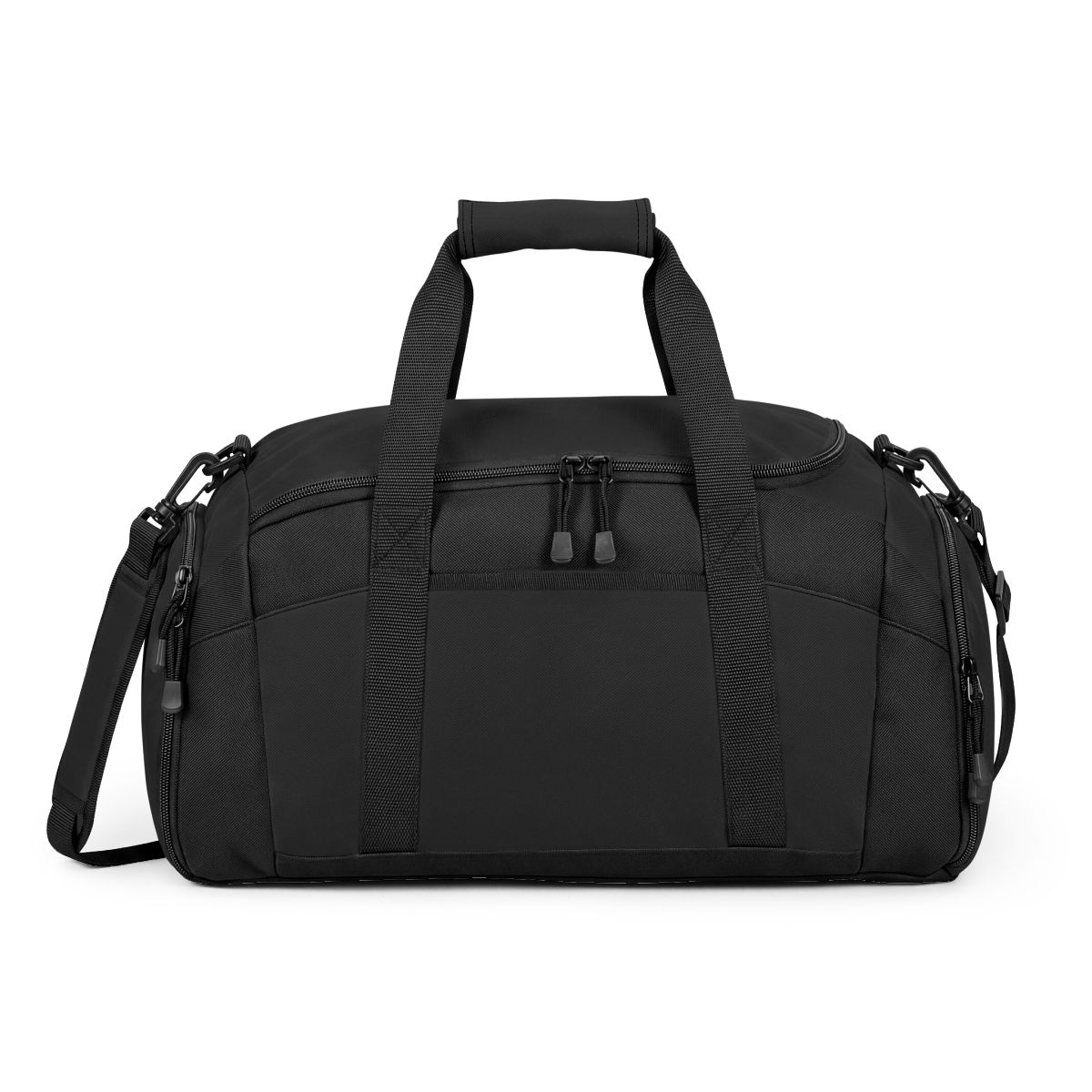
Custom Gym Duffel Bag with Your Name or Logo
Related methods
How we know this
- Supplier print-file and decoration-method guidelines — verified 2026-08-15
- BelDisegno production capability record — verified 2026-08-15