Stitched and woven
Embroidery
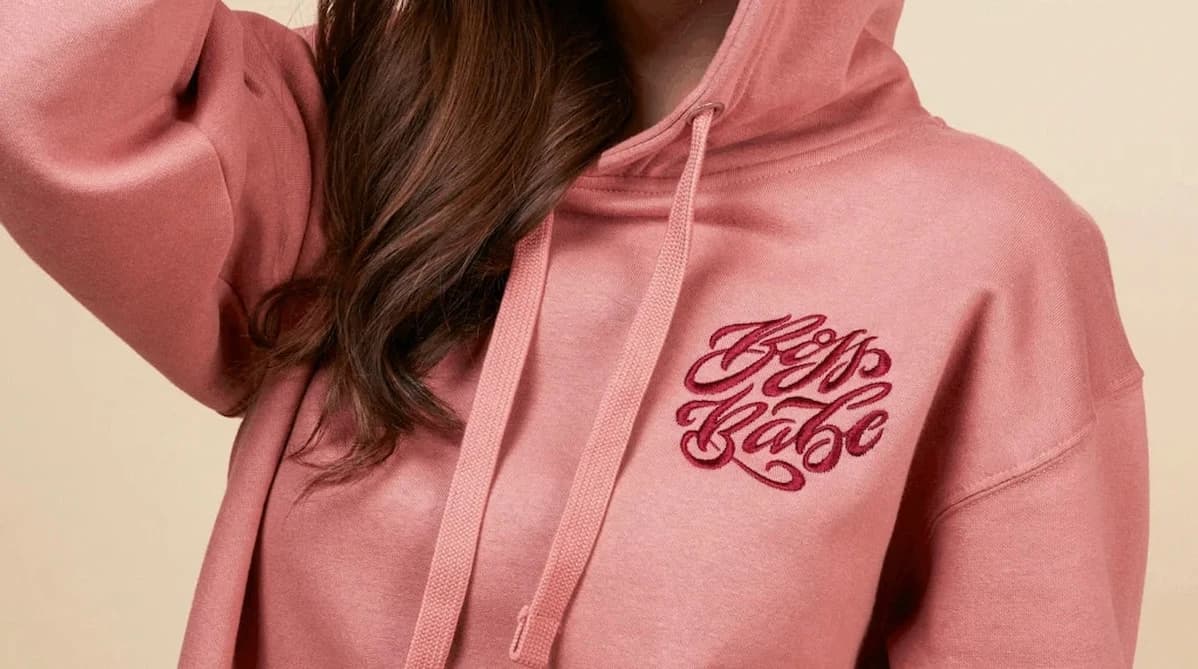
Embroidery rebuilds your artwork in thread — a machine follows a stitch path and sews the design into the fabric, so the result has real texture and depth you can feel. It works from a fixed palette of 15 thread colours, of which any one design may use up to 6, and it cannot sew anything finer than about 15 px (1.3 mm). That makes it the wrong method for photographs and gradients and the right one for bold marks, monograms and logos, where the stitched surface reads as far more valuable than a print of the same design.
- Thread palette
- 15 coloursFixed set — your colours are matched to it
- Colours per design
- Up to 6
- Minimum line thickness
- 15 px (1.3 mm)
- Minimum text height
- 75 px (6.35 mm)
- Digitizing time
- Up to 36 hoursFirst order of a new design only
- File formats
- PNG, JPG, SVGTransparent background; stitch files are not accepted
- White#FFFFFF
- Black#000000
- Grey#96A1A8
- Navy#333366
- Aqua/Teal#3399FF
- Purple#6B5294
- Maroon#660000
- Red#CC3333
- Flamingo#CC3366
- Orange#E25C27
- Gold#FFCC00
- Old Gold#A67843
- Kiwi Green#7BA35A
- Kelly Green#01784E
- Royal#005397
Your artwork becomes a stitch path
Before anything is sewn, the design is digitized: converted into a stitch file that specifies stitch types, densities, the order the machine works in, and which thread goes where. This is a genuine translation, not a conversion — a person decides how each shape is best rendered in thread.
Digitizing happens once per unique combination of design, product and size, on the first order, and takes up to 36 hours on top of normal production. Every subsequent order of that same design skips it entirely.
Because digitizing is a translation, upload ordinary image files and let the process do its work. Ready-made stitch files — DST, PES, EXP — cannot be accepted: they carry densities and thread mappings for a different machine and a different thread set, and using them is how a design ends up puckering the fabric.
The thread palette
Embroidery machines are threaded with physical spools, so the colours available are a fixed set of 15. When you upload a design, its colours are automatically matched to the nearest thread — which means a carefully chosen brand colour may shift, sometimes noticeably, if it sits between two threads.
Any one design may use up to 6 colours. Beyond that, the machine spends more time changing threads than sewing, and each change is another place for a thread break.
If exact colour matters, design directly with the palette listed above the sections here — use those hex values in your artwork and every colour maps to itself, with nothing left to interpretation.
Minimum sizes, and why they exist
A stitch has a physical width. Below about 15 px (1.3 mm) there is no way to lay thread down as a line rather than a knot, so anything thinner is either thickened during digitizing or dropped. Text follows from the same limit: at less than 75 px (6.35 mm) tall the enclosed spaces inside letters fill in with thread and the word becomes a smudge.
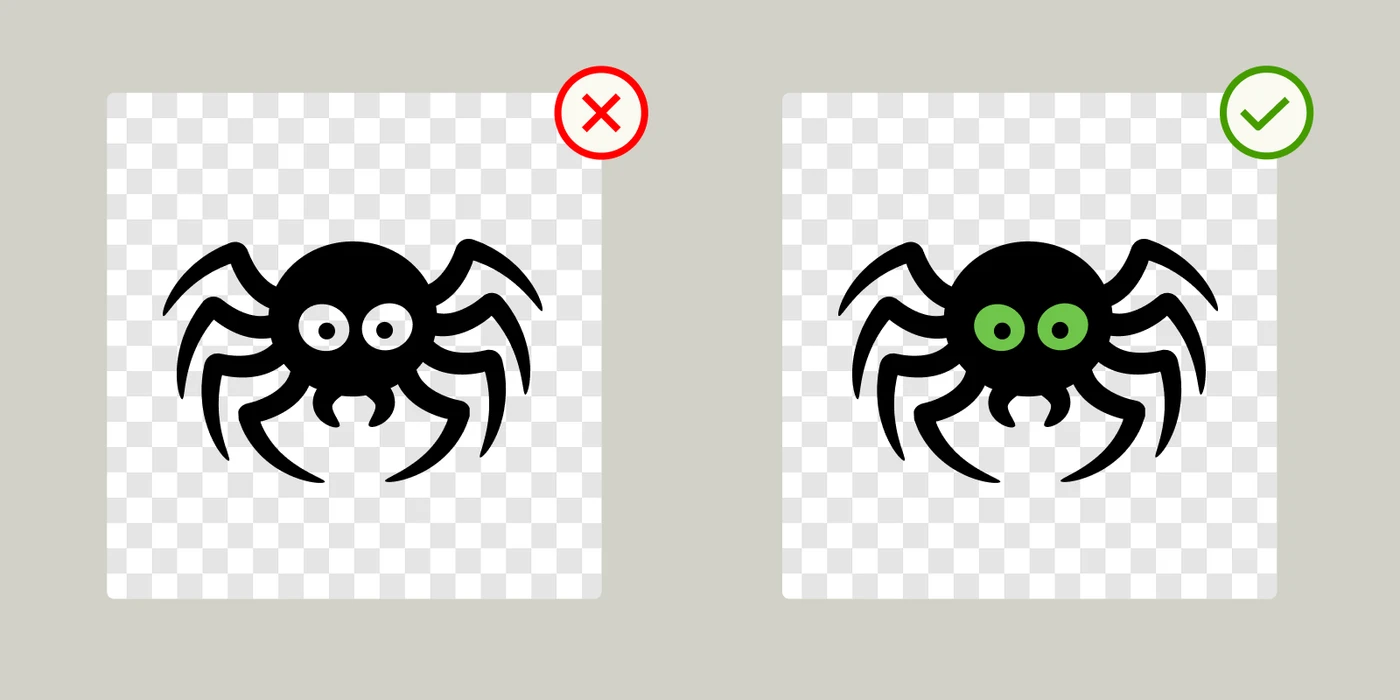
Negative space needs the same respect as positive space. A gap between two shapes is not empty — it is fabric that must remain visible between two sewn areas, and if it is too narrow the two areas merge into one. Do not use hairline gaps to define detail.
Fabric matters too. A structured cap holds finer detail than a knitted jersey, and fleece needs the most generous sizing of all, because the pile stands up around the stitches and swallows small elements.

Do this, not that
Do
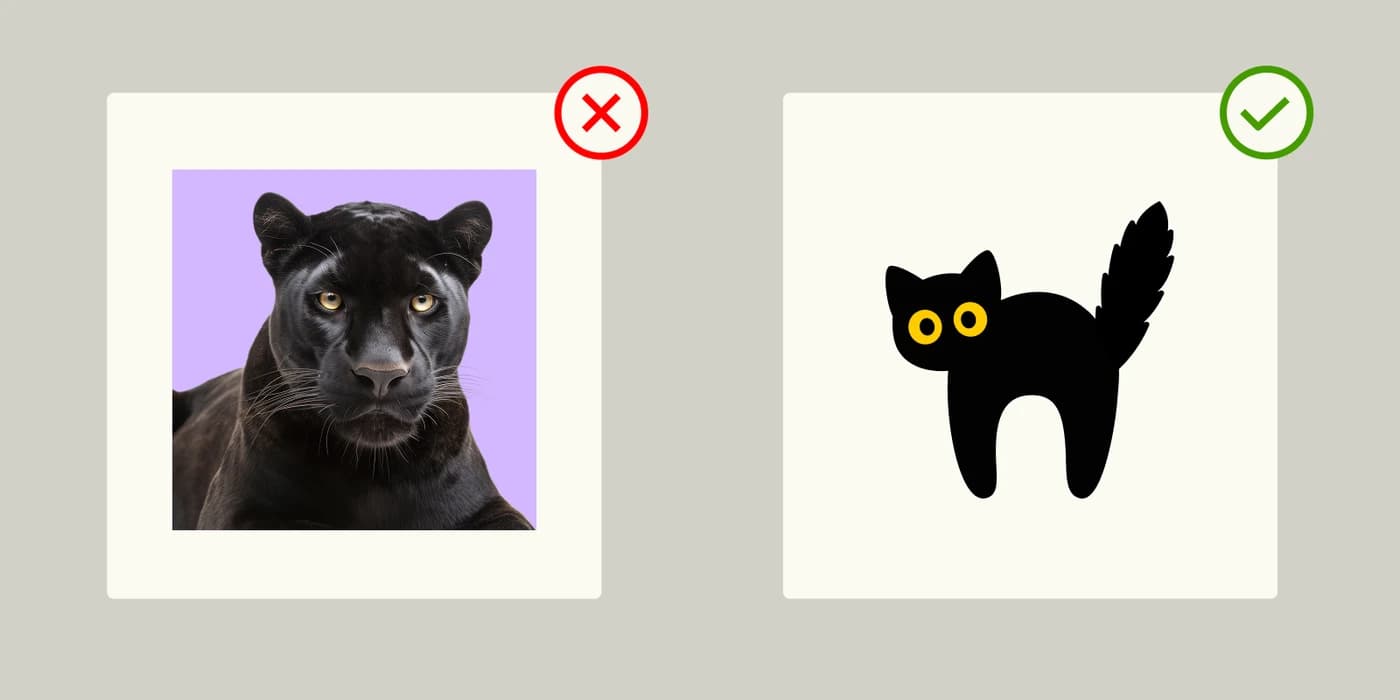
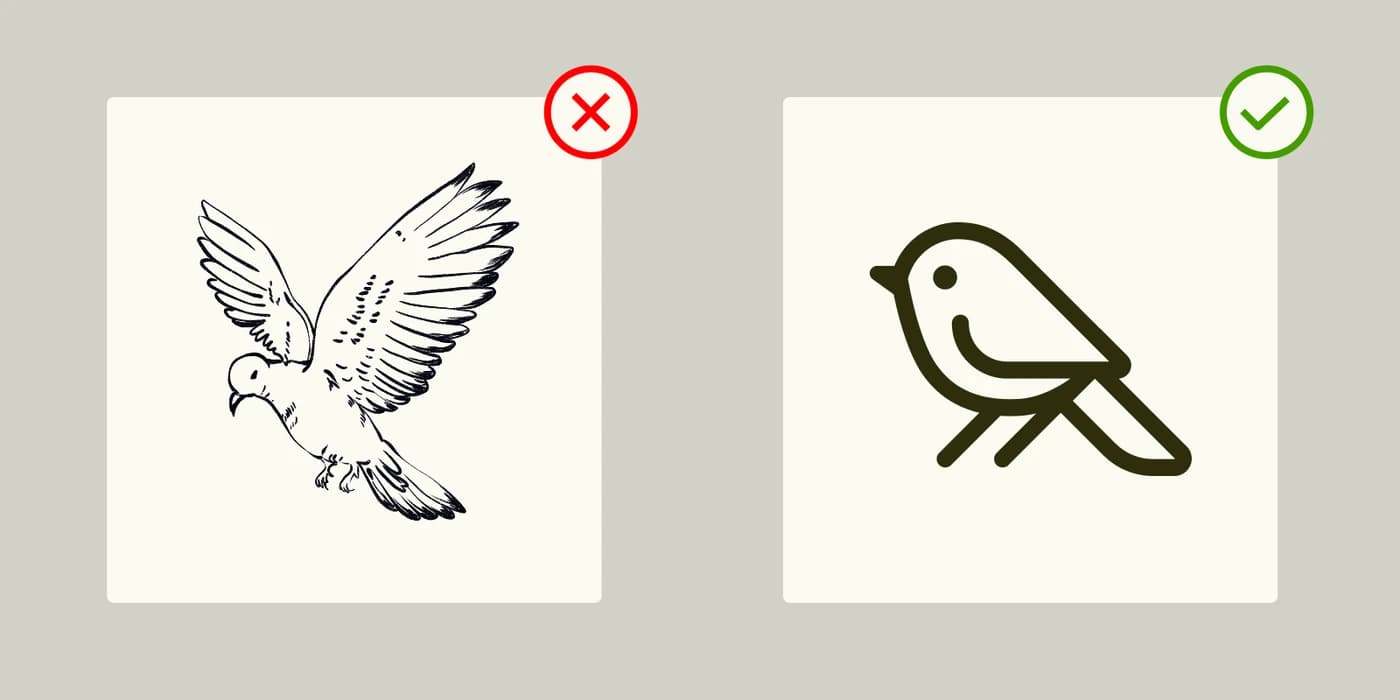
- Use bold, simple shapes with clear outlinesThread renders shapes, not tones — a simple mark stitches beautifully.
- Keep every line at least 15 px thickBelow that, thread cannot form a line rather than a knot.
- Set text at 75 px or taller with medium-to-thick strokesSmaller letters fill in at the counters and stop being readable.
- Design with the thread palette hex values directlyThen nothing is matched or approximated — every colour maps to itself.
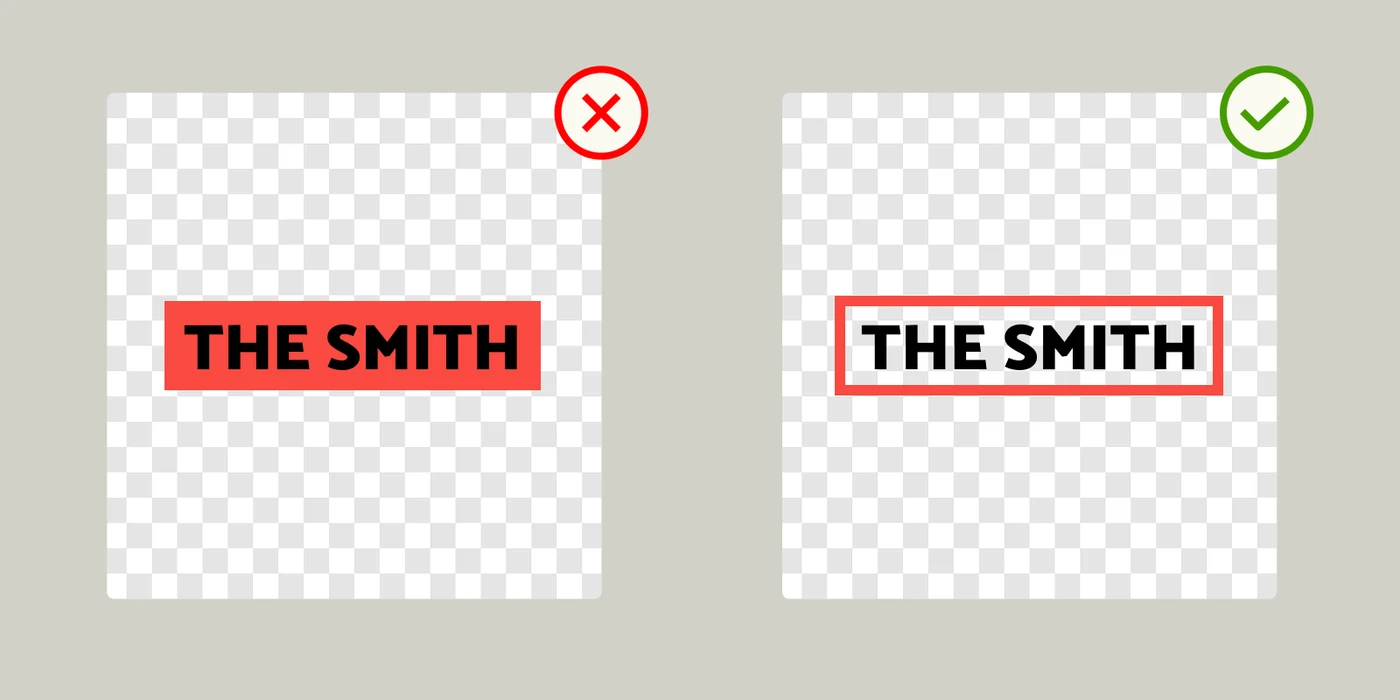
- Upload with a transparent backgroundA solid background would be stitched as a solid filled block.
Avoid
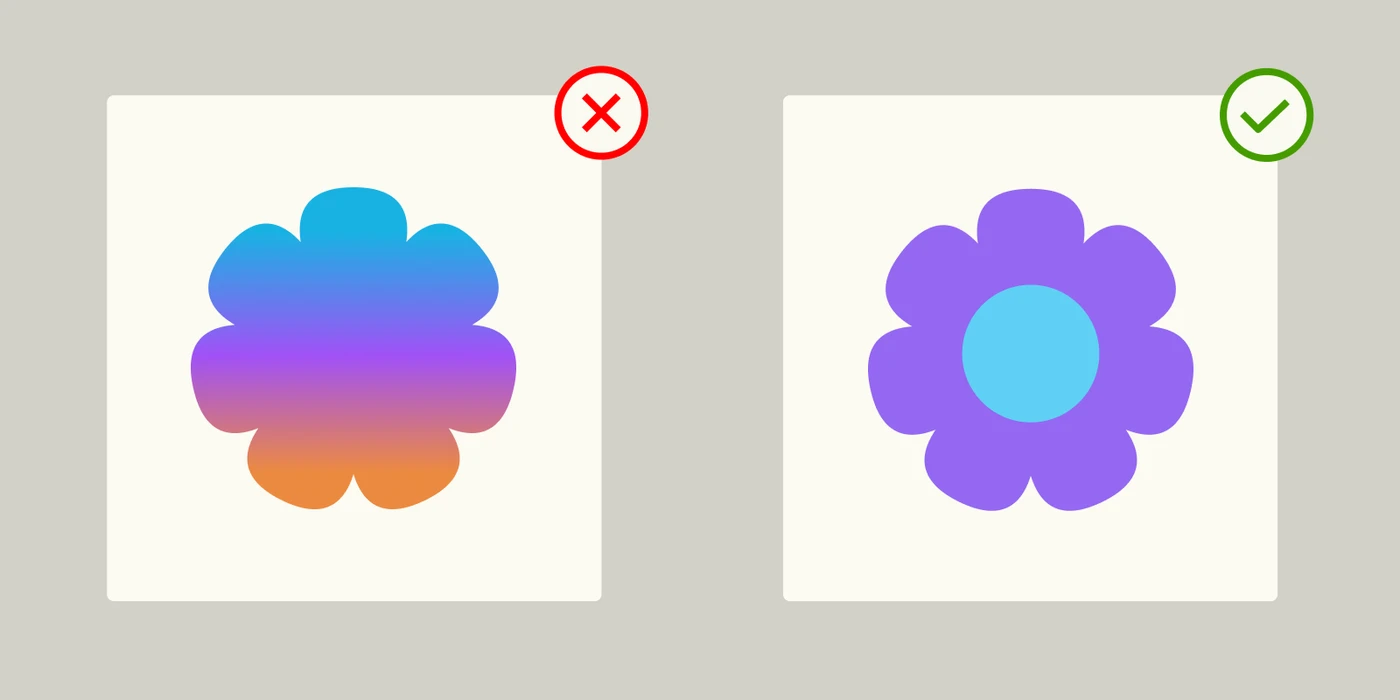
- Gradients, blends and soft shadingThread is one solid colour per stitch — a blend has no stitched equivalent.
- Photographs and complex illustrationsThey depend on tonal detail far below the minimum stitch size.
- Tiny gaps used to define detailNarrow negative space closes up as the surrounding areas are filled.
- Uploading a DST, PES or EXP stitch fileThose carry densities and thread mappings for other machines; supply an image and let it be digitized.
Common questions
- How many colours can an embroidered design have?
- Up to 6 thread colours per design, drawn from a fixed palette of 15. The limit is practical rather than arbitrary: every additional colour means another thread change, which adds time and adds a point where a thread can break.
- What is the minimum text size for embroidery?
- 75 px (about 6.35 mm) tall, using a font with medium-to-thick strokes. Below that the enclosed spaces inside letters such as a, e and o fill in with thread and the word stops being readable. Thin or highly decorative faces need to be larger still.
- What is embroidery digitizing and how long does it take?
- Digitizing converts your image into a stitch file specifying stitch types, densities, thread paths and colour mapping. It happens once per unique design, product and size combination, on the first order, and takes up to 36 hours on top of normal production time. Repeat orders of the same design skip it entirely.
- Can I upload my own embroidery stitch file?
- No. Stitch files such as DST, PES and EXP carry stitch densities and thread mappings created for a specific machine and thread set, and running them elsewhere is how designs end up puckered or misthreaded. Upload a standard image — PNG, JPG or SVG — and it will be digitized for the machine and threads actually being used.
- Why did my embroidery colours come out different from my design?
- Embroidery uses physical thread from a fixed set of 15 colours, so any colour in your file is automatically matched to the nearest available thread. A colour sitting between two threads can shift noticeably. To avoid it entirely, build your artwork using the palette's own hex values.
- Can you embroider a photograph?
- Not faithfully. A photograph depends on continuous tonal variation, and thread can only lay down solid colour in shapes above a minimum size. A photograph can be redrawn as a simplified few-colour illustration and stitched beautifully — but that is a redesign, not a conversion.
Products made this way
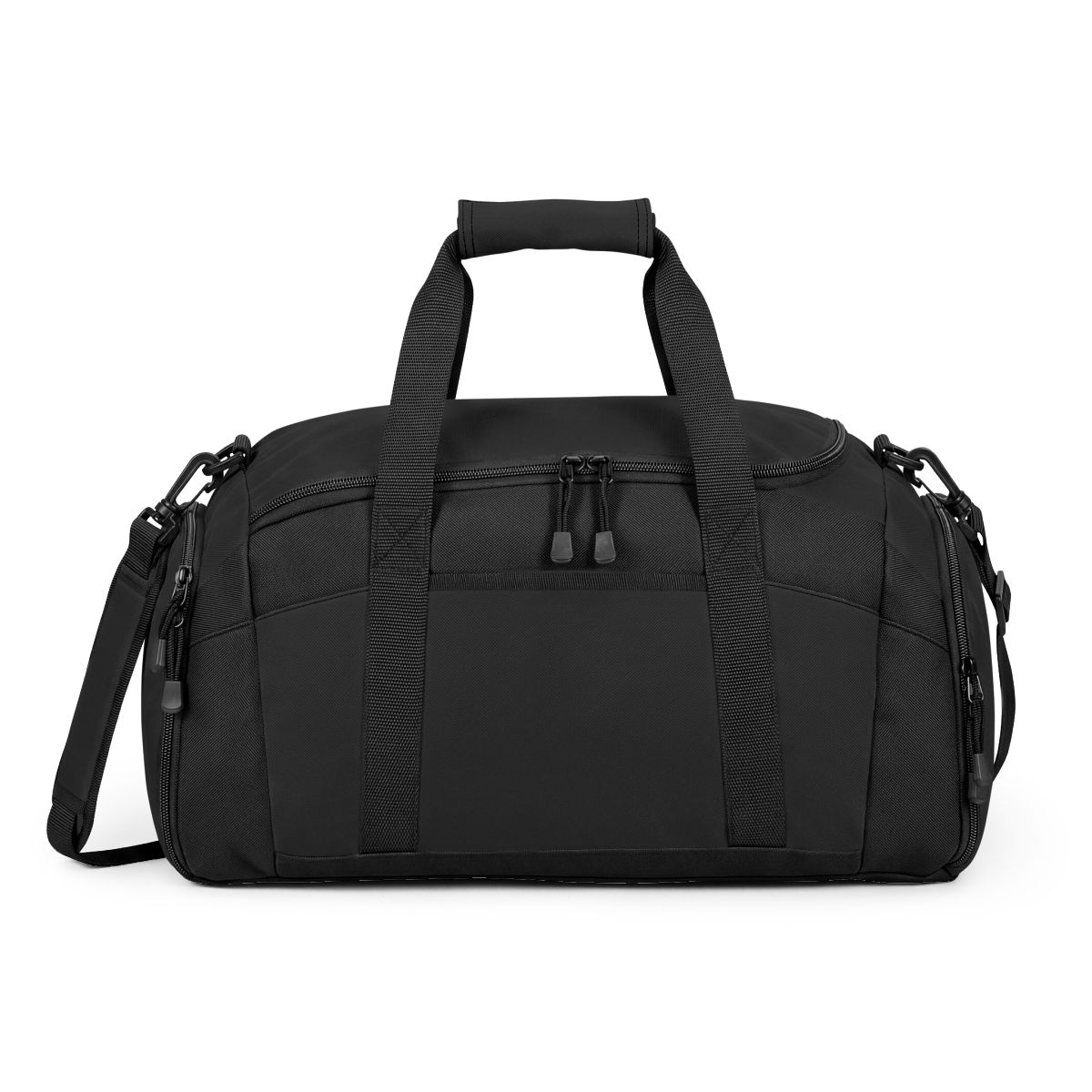
Custom Duffel Bag, Embroidered Gym Bag with Your Name
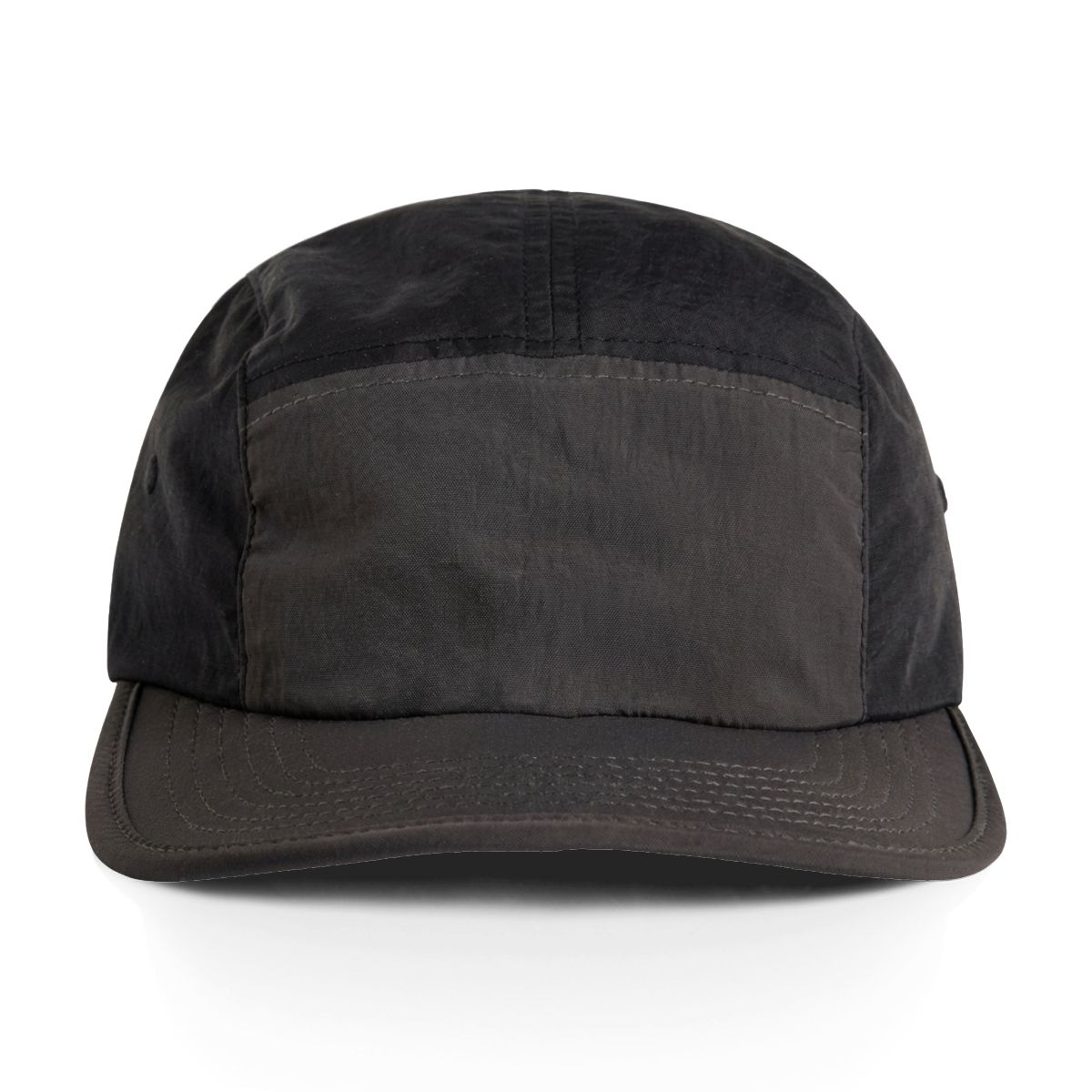
Embroidered Baseball Cap, Two-Tone Recycled Nylon, with Your Text
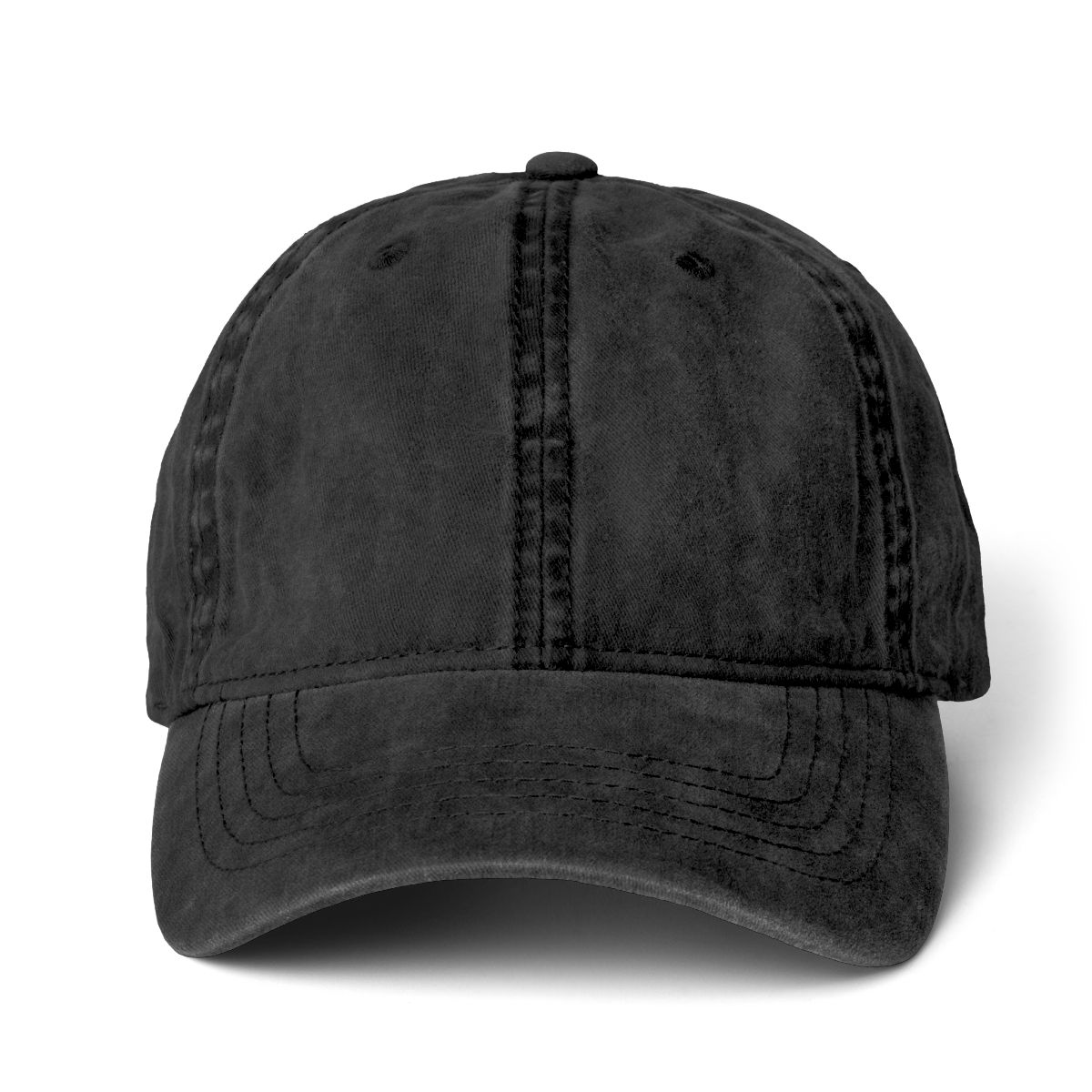
Custom Embroidered Cap for Women with Your Name
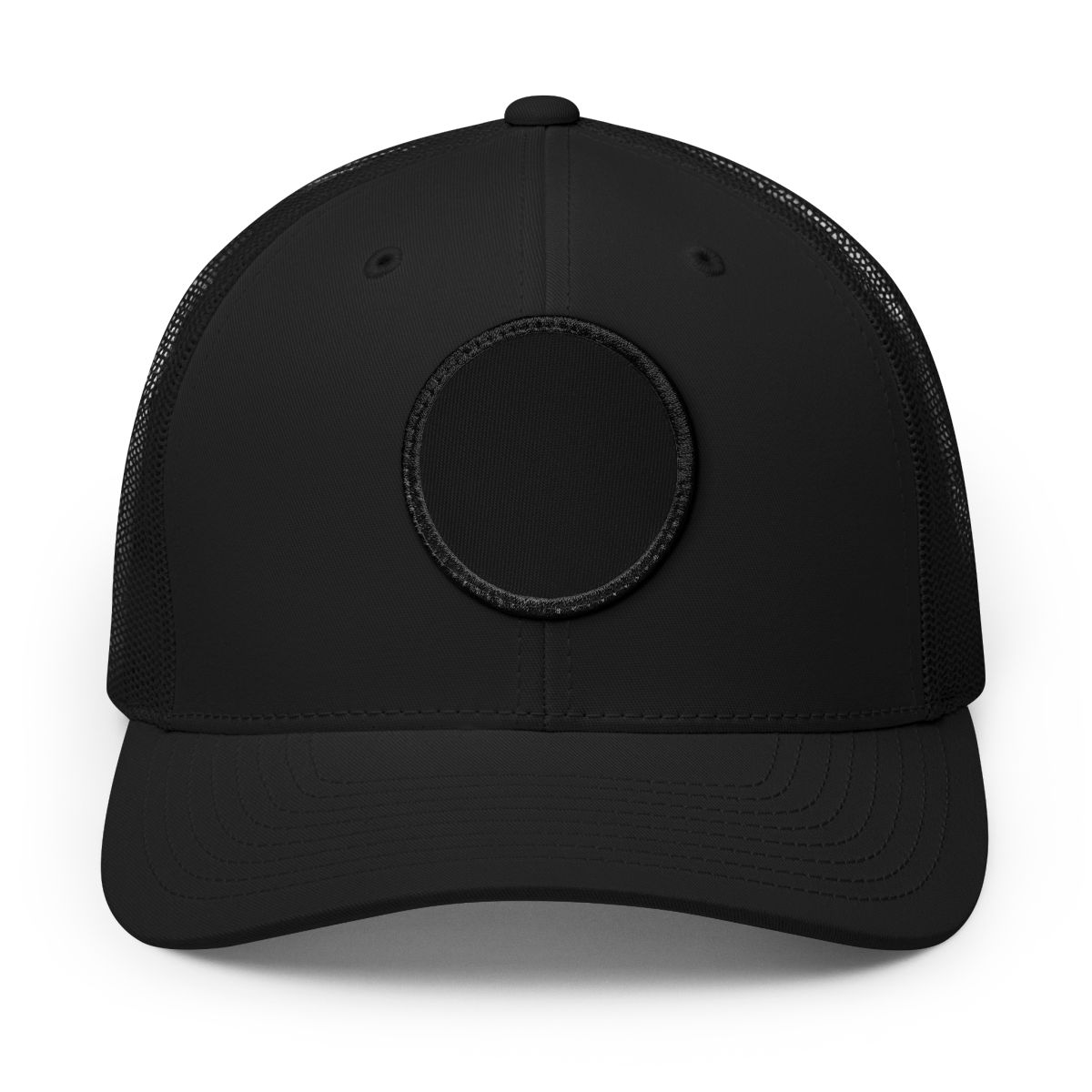
Custom Patch Hat, Snapback Trucker with Your Text
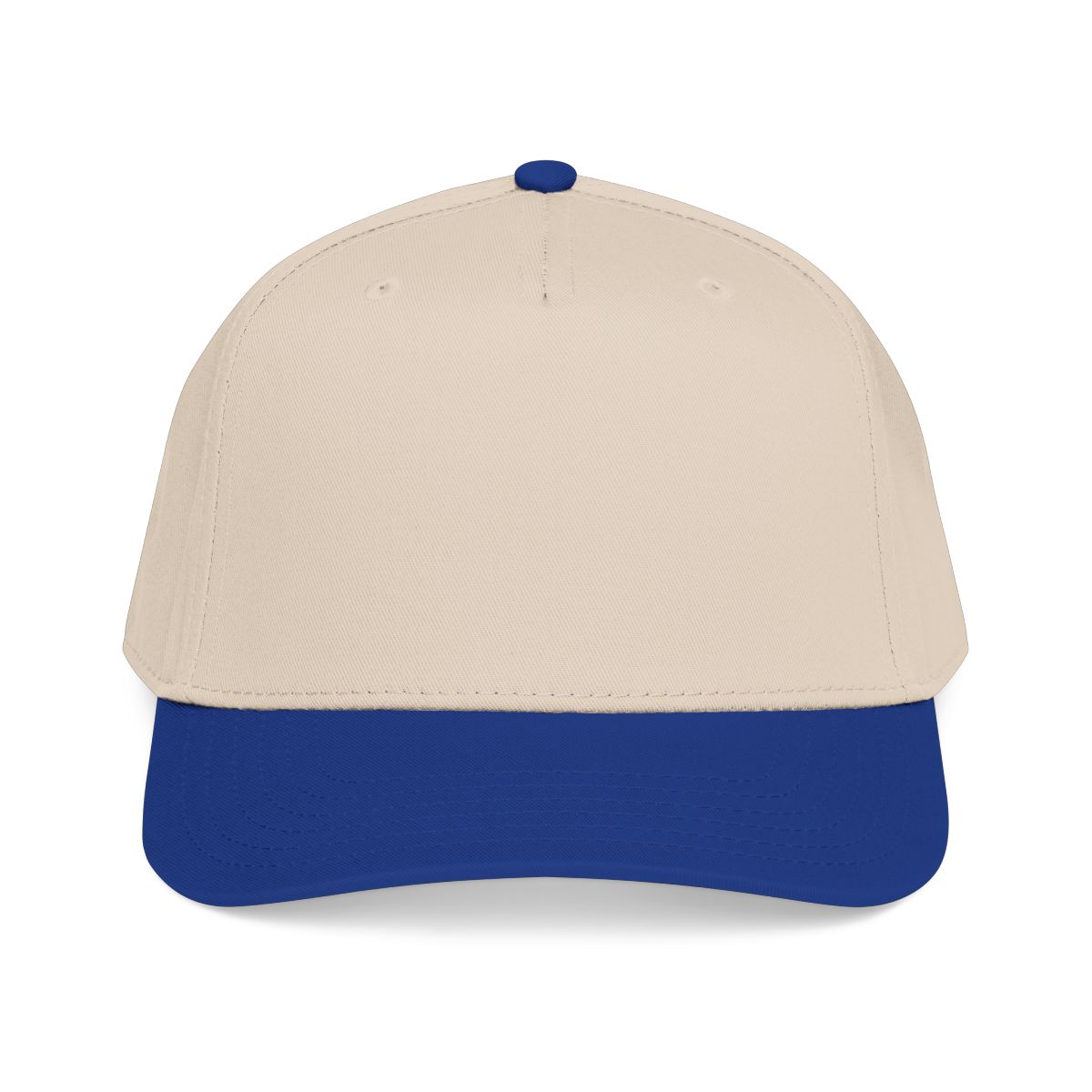
Custom Baseball Cap, Mid Profile, with Your Embroidered Text
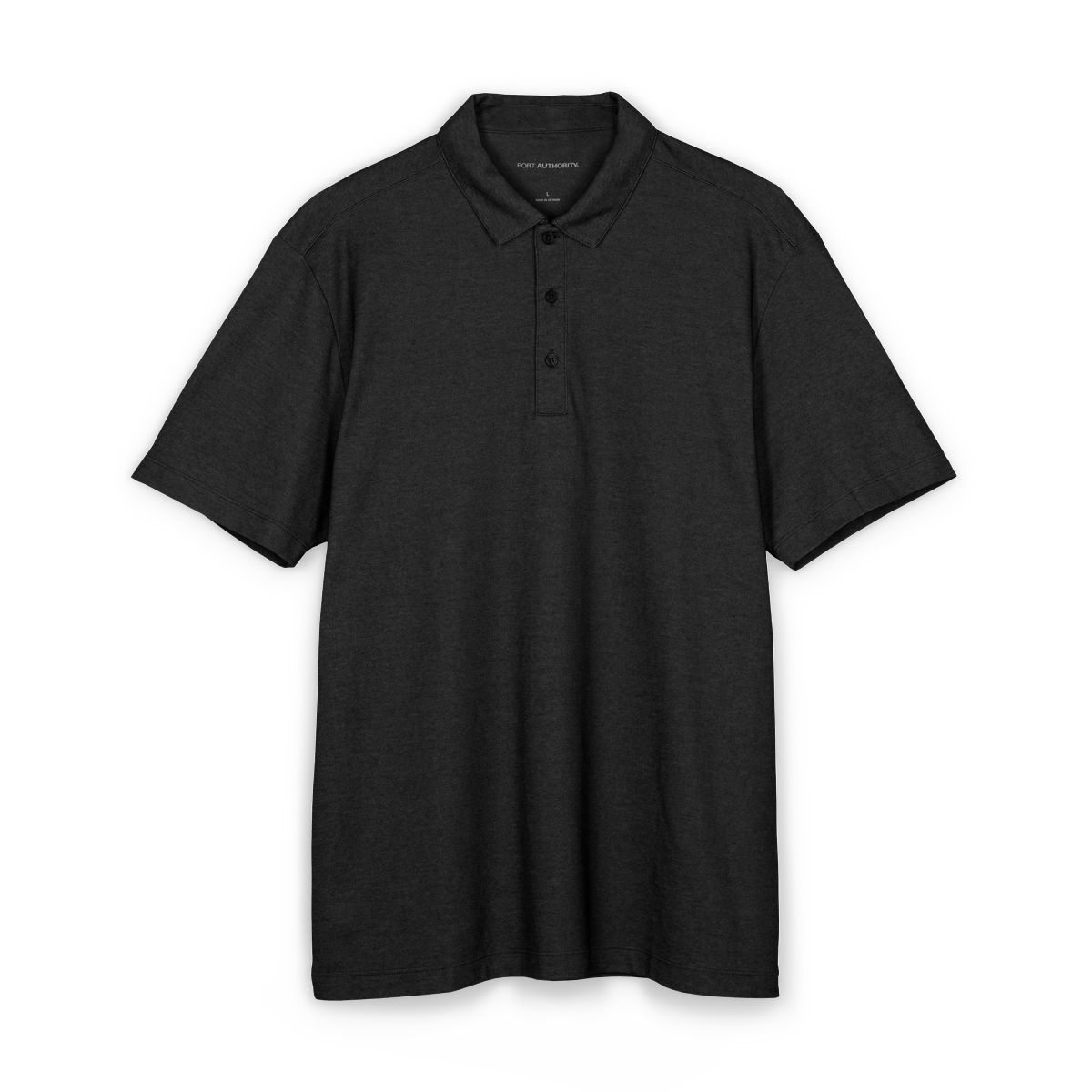
Custom Pique Polo Shirt in Heather with Your Company Name
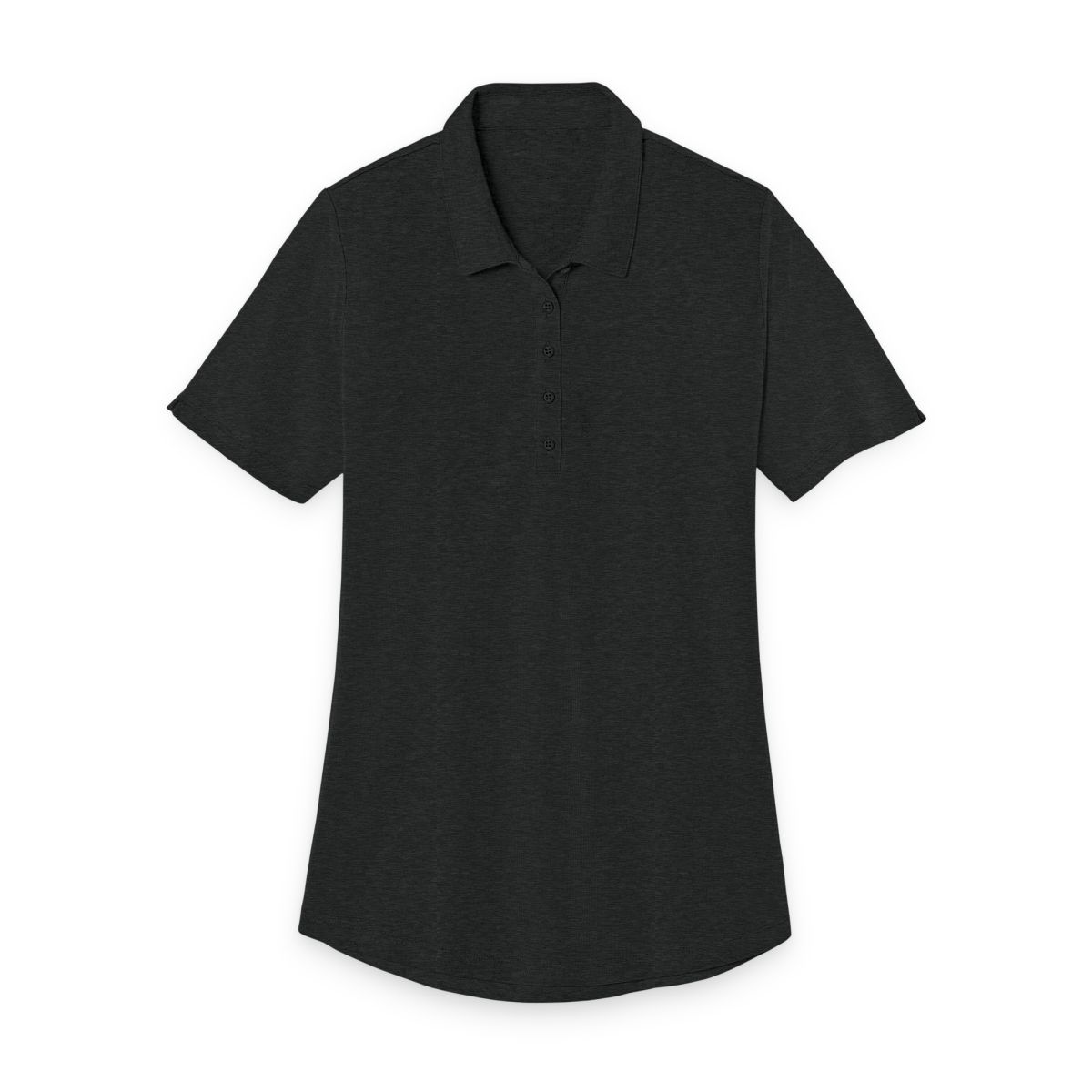
Embroidered Polo Shirt, Women's Heather, with Your Name
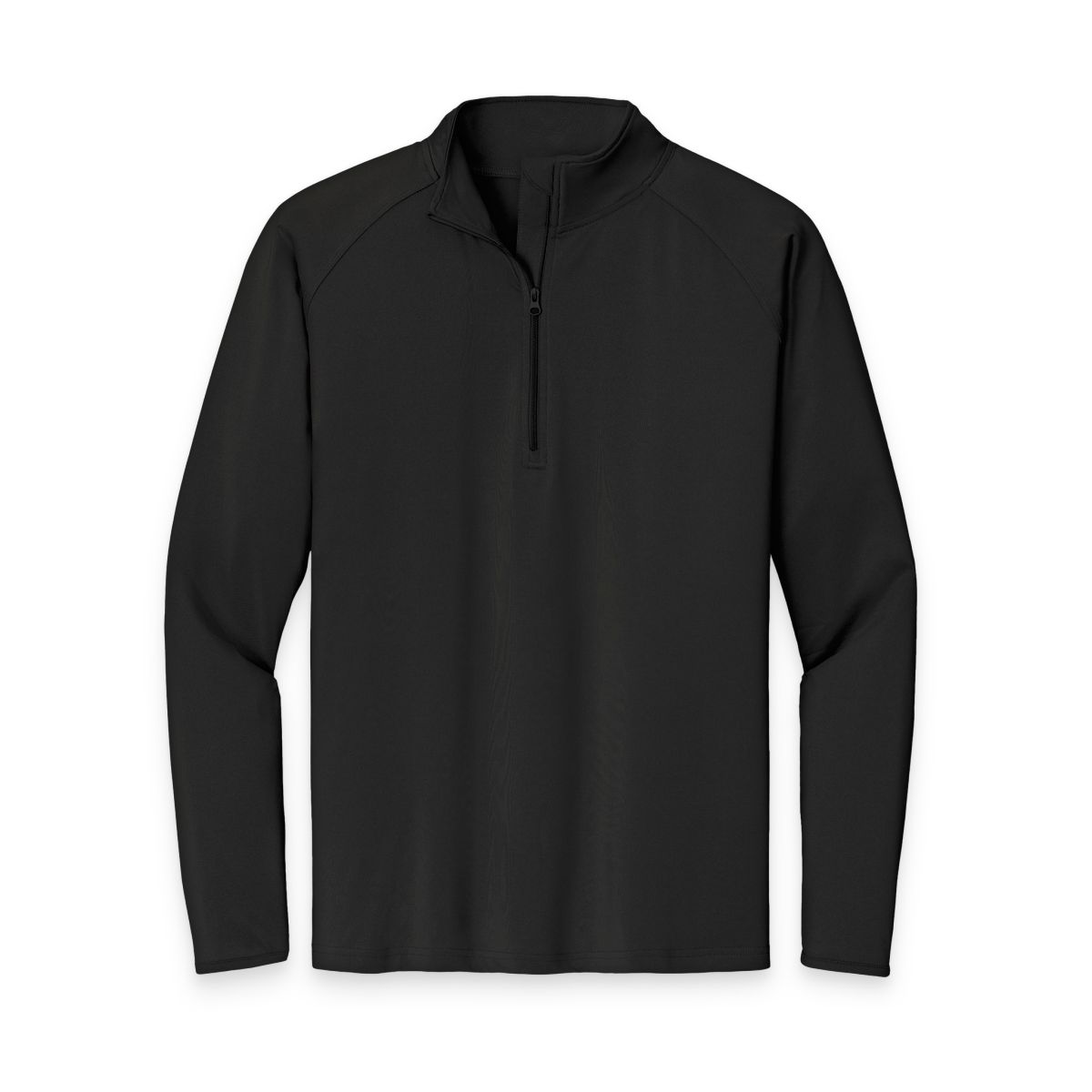
Custom Men's Quarter-Zip, Stretch Knit, with Your Embroidered Text
Related methods
How we know this
- BelDisegno embroidery production constants — verified 2026-08-15
- Supplier embroidery design and digitizing guidelines — verified 2026-08-15